PFAS Exposure and Insurance: What Oil and Gas Companies Should Prepare For
See How We're Different
Or Call Us: (281) 823-8262

PFAS contamination is quickly becoming one of the most expensive environmental liabilities the energy sector has ever faced. For oil and gas operators, the financial exposure isn't hypothetical: it's already showing up in regulatory actions, lawsuits, and insurance renewal negotiations. PFAS remediation costs can be 10 times higher than petroleum hydrocarbon cleanup, which puts these so-called "forever chemicals" in a risk category that rivals asbestos in its potential to disrupt balance sheets.
The insurance industry remembers asbestos well. Carriers have paid out an estimated $100 billion in asbestos-related claims over the past several decades, and many underwriters see PFAS following a similar trajectory. That comparison should alarm any risk manager working in oil and gas. If your company hasn't started preparing for PFAS-related insurance challenges, you're already behind.
What makes this situation particularly tricky is the intersection of evolving regulation, expanding litigation, and tightening policy language. Carriers are actively rewriting exclusions. Plaintiffs' attorneys are refining their strategies. And the EPA keeps raising the bar. Understanding how PFAS exposure affects your
insurance portfolio isn't just a compliance exercise: it's a financial survival strategy. Here's what
oil and gas companies need to know right now.
The Intersection of PFAS and Oil & Gas Operations
Oil and gas companies don't manufacture PFAS, but they're deeply entangled with these chemicals through daily operations. From upstream drilling sites to downstream refining facilities, PFAS compounds show up in places many operators haven't fully inventoried. This creates a hidden liability that can surface years or even decades after initial use.
The connection between PFAS and the energy sector runs through two primary channels: firefighting foam and industrial chemical applications. Both represent significant contamination pathways that regulators and plaintiffs are now targeting with increasing precision.
Common Sources: Firefighting Foams and Industrial Processes
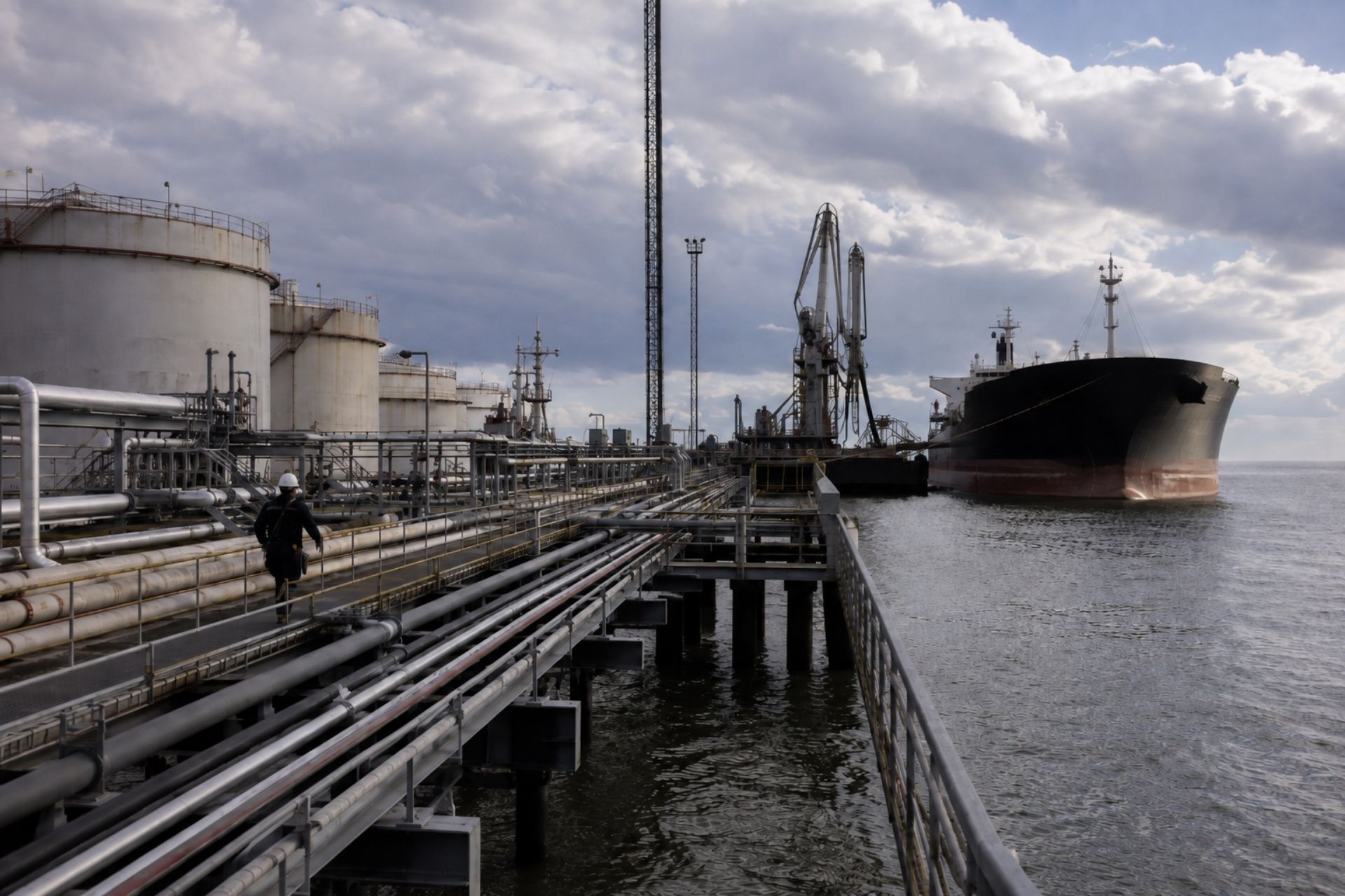
Aqueous film-forming foam, commonly known as AFFF, has been the standard fire suppression agent at refineries, tank farms, and offshore platforms for decades. AFFF contains high concentrations of PFAS compounds, and every training exercise, equipment test, or emergency deployment has left contamination behind. Soil and groundwater around fire training areas at energy facilities often show PFAS levels far exceeding current safety thresholds.
Beyond firefighting foam, PFAS compounds appear in gaskets, seals, valve packing, and anti-corrosion coatings used throughout oil and gas infrastructure. Produced water from hydraulic fracturing operations can also contain PFAS. Many operators are only now discovering that their supply chains have been introducing these chemicals into their operations for years without adequate tracking.
Regulatory Shifts and Evolving EPA Standards
The regulatory ground has shifted dramatically. In April 2024, the EPA designated PFOA and PFOS as hazardous substances under CERCLA, which means strict liability now applies to any party associated with contamination, regardless of fault or negligence. This is the same legal framework used for Superfund sites.
The U.S. Senate has also introduced
Bill S.4153, the Forever Chemical Regulation and Accountability Act of 2026, proposing a comprehensive phase-out of non-essential PFAS uses within 10 years. State-level regulations are moving even faster. Several states have already set enforceable PFAS limits in drinking water that are stricter than federal standards. For oil and gas operators with multi-state footprints, compliance is becoming a patchwork of overlapping and sometimes conflicting requirements.
Emerging Liability Risks and Litigation Trends
PFAS litigation is accelerating at a pace that should concern every energy company risk manager. The legal theories being deployed are familiar, borrowing heavily from asbestos and environmental contamination playbooks, but the scale of potential damages is staggering. A Milliman report estimates that PFAS remediation costs for U.S. water districts alone could reach $175 billion. Somebody is going to pay those costs, and plaintiffs' attorneys are working hard to make sure energy companies are on the list.
Third-Party Bodily Injury and Property Damage Claims
Community lawsuits near refineries and drilling sites are becoming more common. Residents allege that PFAS contamination from energy operations has entered their drinking water, reduced their property values, and caused health problems including thyroid disease, kidney cancer, and immune system disruption. These claims typically target both the PFAS manufacturers and the companies that used the products.
The danger for oil and gas companies is joint and several liability under CERCLA. Even if your company was a minor contributor to contamination at a site, you could be held responsible for the full cleanup cost. A single refinery with decades of AFFF use could face bodily injury claims from hundreds of nearby residents, each seeking medical monitoring or compensatory damages.
Natural Resource Damage (NRD) Assessments
Federal and state trustees can pursue natural resource damage claims against parties responsible for PFAS contamination. These assessments cover harm to groundwater, surface water, fisheries, and wildlife habitat. NRD claims don't require individual plaintiffs: government agencies bring them on behalf of the public.
For upstream operators, this risk is particularly acute. Drilling sites in rural areas often sit above shallow aquifers that serve as sole-source drinking water supplies. PFAS contamination migrating from a well pad or produced water disposal site into one of these aquifers could trigger NRD assessments running into tens of millions of dollars.
Analyzing the Insurance Coverage Gap
Here's where the financial pain gets real. Most oil and gas companies carry commercial general liability (CGL) policies, but the coverage available for PFAS-related claims is shrinking rapidly. Understanding your actual exposure requires a careful review of both current and historical policy language.
The Impact of Total Pollution Exclusions
Standard CGL policies issued after the mid-1980s typically contain absolute or total pollution exclusions. These exclusions were originally designed to eliminate coverage for gradual environmental contamination, and insurers are now arguing they apply squarely to PFAS claims. If your current CGL policy contains a total pollution exclusion, your carrier will almost certainly deny any PFAS-related claim.
The problem is compounded for companies that relied on general liability coverage without purchasing separate environmental or pollution legal liability (PLL) policies. Many mid-size oil and gas operators fall into this gap, carrying policies that exclude the very contamination scenarios now generating lawsuits.
Historical vs. Modern Policy Language
One avenue that some companies are exploring is "policy archaeology," the process of locating and activating old insurance policies that predate modern pollution exclusions. Industry experts have noted that PFAS claims will likely "seek to extract indemnity payments from old General Liability policies" that used occurrence-based triggers and contained narrower pollution exclusions.
| Policy Era | Typical Pollution Language | PFAS Coverage Likelihood |
|---|---|---|
| Pre-1973 | No pollution exclusion | Strongest potential coverage |
| 1973-1985 | Qualified pollution exclusion (sudden and accidental) | Moderate, depends on state law interpretation |
| Post-1986 | Absolute/total pollution exclusion | Minimal to none under standard CGL |
| Modern PLL/EIL | PFAS-specific exclusions emerging | Rate increases, coverage restrictions |
If your company has operated for decades, locating those legacy policies could be worth millions in recovered defense costs and indemnity payments.
Strategic Risk Mitigation for Energy Companies
Waiting for a claim to arrive before taking action is the most expensive approach. Proactive risk mitigation reduces both your exposure to PFAS liability and your cost of insurance.
Conducting Environmental Audits and Product Inventories
Start with a comprehensive PFAS audit across all operational sites. This means:
- Identifying every location where AFFF was used, stored, or tested
- Cataloging industrial products containing PFAS (gaskets, coatings, lubricants)
- Testing soil and groundwater at high-risk areas, especially fire training grounds and produced water disposal sites
- Documenting findings in a format that supports both regulatory compliance and insurance underwriting
High-quality environmental data is your strongest negotiating tool at renewal. Carriers reward companies that can demonstrate they understand their exposure and have a remediation plan. Showing up with detailed loss control reports and site assessments signals that you're a manageable risk, not an unknown one.
Contractual Indemnification and Supply Chain Review
Review your contracts with AFFF suppliers, chemical vendors, and waste disposal companies. Many of these agreements contain indemnification clauses that could shift some PFAS liability back to the manufacturer or supplier. If your contracts don't include these protections, renegotiate them now.
Your supply chain review should also identify PFAS-free alternatives for products still in active use. Transitioning away from PFAS-containing materials reduces your go-forward exposure and demonstrates good faith to regulators and underwriters alike.
Future-Proofing Insurance Renewals and Portfolios
Your next renewal is an opportunity to address PFAS coverage gaps, but only if you approach it strategically. The market is tightening, and carriers are adding PFAS-specific exclusions to new and renewed policies at an increasing rate.
Navigating PFAS-Specific Exclusions in New Policies
Many carriers are now inserting PFAS exclusions into CGL, umbrella, and even environmental policies. These exclusions vary widely in scope. Some exclude only PFAS manufactured by the insured, while others exclude any claim "arising out of, related to, or in any way connected with" PFAS, which effectively eliminates coverage for everything from bodily injury defense costs to first-party cleanup.
Read every exclusion carefully. Push back on overly broad language. A skilled energy insurance broker with relationships at Lloyd's syndicates and surplus lines carriers can often negotiate narrower exclusions or sub-limits that preserve at least partial coverage.
Leveraging Specialized Environmental Insurance Products
Pollution legal liability and environmental impairment liability policies are your best tools for closing the PFAS coverage gap. These specialized products can cover:
- First-party cleanup costs at your own sites
- Third-party bodily injury and property damage claims
- Defense costs for regulatory actions
- Natural resource damage assessments
Not all environmental policies are created equal, and some are already excluding PFAS. Work with a specialized energy broker who understands attachment points, following form provisions, and the specific underwriting appetite of environmental carriers. The difference between a broker who knows this market and one who doesn't can mean the difference between a $5 million sub-limit and no coverage at all.
What This Means for Your Business
PFAS liability is not a future risk for oil and gas companies: it's a current one. The regulatory framework is tightening, litigation is expanding, and insurance carriers are pulling back coverage at exactly the moment you need it most. Companies that act now, conducting site audits, reviewing supply chains, locating historical policies, and working with specialized brokers, will be in a far stronger position than those that wait.
The parallels to asbestos aren't just a talking point. They're a warning. Oil and gas operators who treat PFAS exposure and insurance preparedness as urgent priorities will protect their operations and their balance sheets. Those who don't will learn the hard way how expensive "forever chemicals" can be.
Frequently Asked Questions
Are PFAS claims covered under standard commercial general liability policies? Most CGL policies issued after the mid-1980s contain pollution exclusions that carriers use to deny PFAS claims. You'll likely need a separate environmental or pollution legal liability policy for coverage.
Should I hire a specialized energy insurance broker for PFAS-related coverage? Yes. A broker with technical expertise in energy risks and relationships with surplus lines carriers and Lloyd's syndicates can negotiate terms that generalist brokers simply can't access.
How soon should oil and gas companies start preparing for PFAS insurance challenges? Immediately. Carriers are adding PFAS exclusions to policies right now, and waiting until your next renewal puts you at a disadvantage. Start your environmental audit and policy review today.
Can old insurance policies help cover current PFAS claims? Potentially. Pre-1986 CGL policies often lacked absolute pollution exclusions and could respond to long-tail PFAS contamination claims. Locating and activating these legacy policies is worth the investment.
What's the biggest mistake companies make with PFAS and insurance? Assuming their existing policies will respond. Many operators discover coverage gaps only after a claim is filed, which is the worst possible time to find out you're uninsured.
Search by posts
Recent posts