How Insurance Carriers Price High-Hazard Energy Businesses
See How We're Different
Or Call Us: (281) 823-8262

When a refinery fire, a subsea blowout, or a grid failure makes the news, people see a headline. Insurers see a complex web of exposures, contracts, and pricing assumptions being put to the test. In one recent year, insurers handled over 16,800 energy-related liability claims, with the oil and gas sector responsible for more than 60 percent of that activity, which shows just how volatile this space can be for carriers and buyers alike according to market analysis of the energy and power insurance segment.
Pricing insurance for a corner gas station is very different from rating a liquefied natural gas export terminal, a battery storage farm, or an offshore wind contractor. High-hazard energy businesses combine heavy industry, hazardous materials, long project timelines, complex supply chains, and now sophisticated digital control systems. All of that sits inside a global market where capacity, claims costs, climate pressure, and regulation constantly shift.
This article walks through how carriers actually think about pricing these accounts. It breaks down the moving parts that matter for underwriters, the market forces that push rates up or down, and the steps energy companies can take to tell a better story and improve pricing outcomes.
Why High-Hazard Energy Risks Are Different
To understand pricing, it helps to start with why insurers treat high-hazard energy as its own ecosystem. Traditional commercial property or liability books spread risk across many unrelated small accounts. High-hazard energy portfolios, by contrast, are concentrated in a few sectors where a single loss can move results for the year.
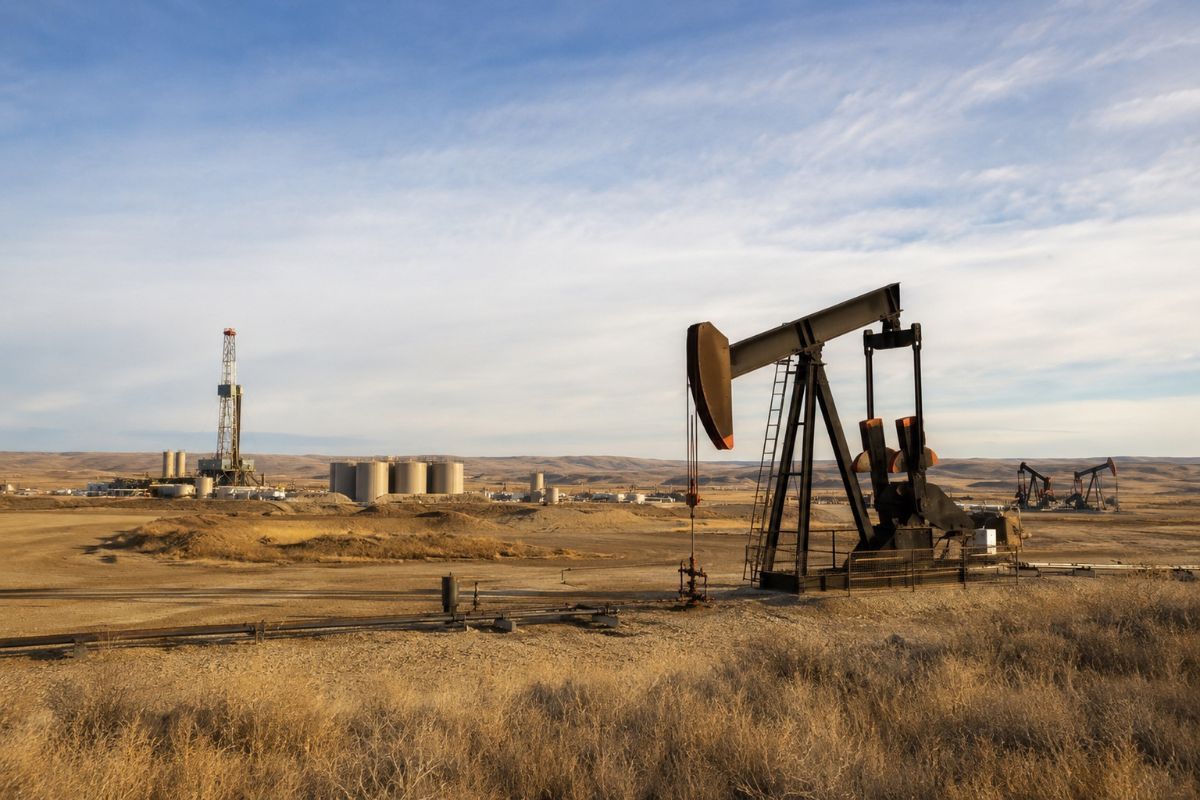
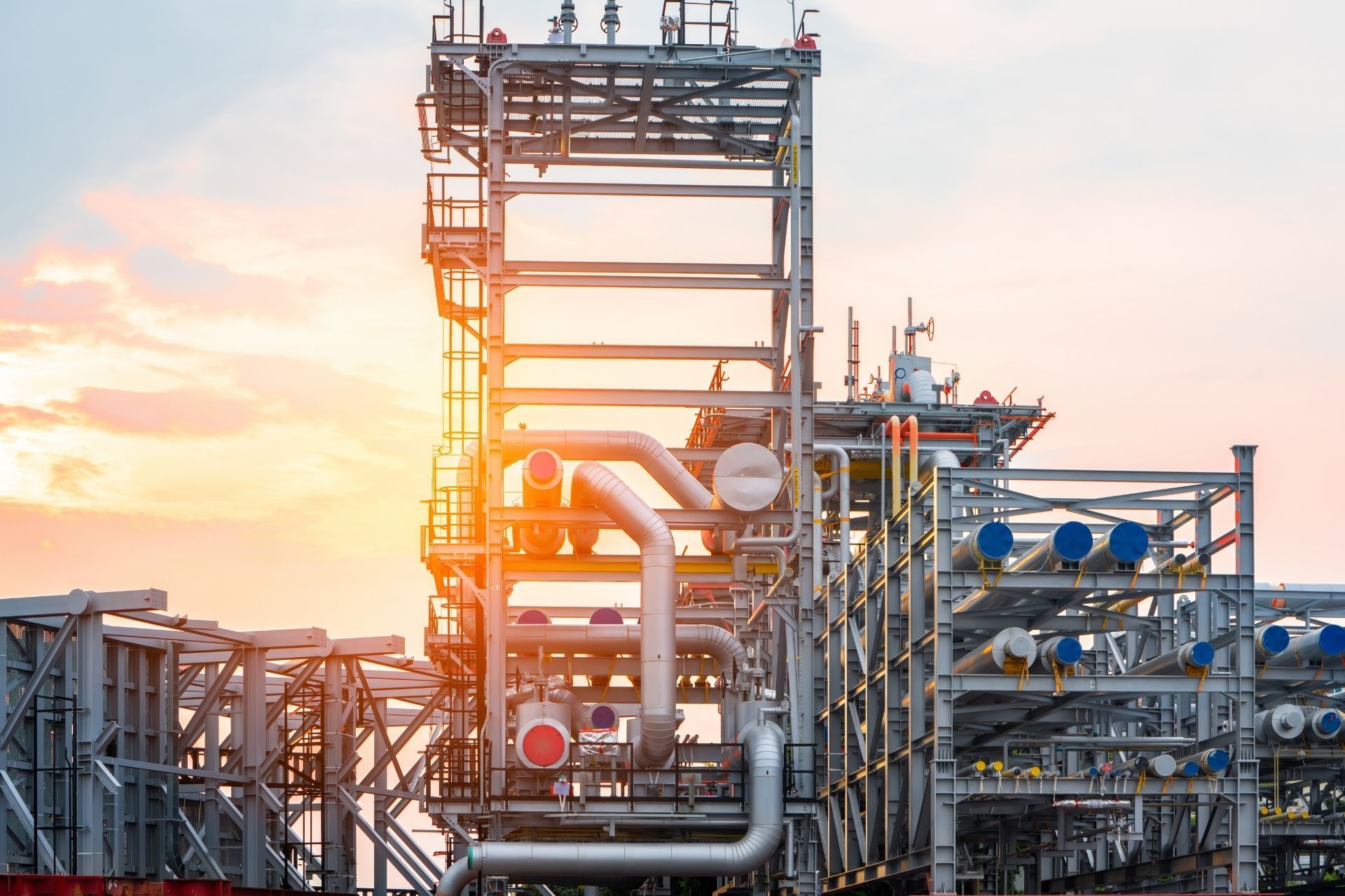
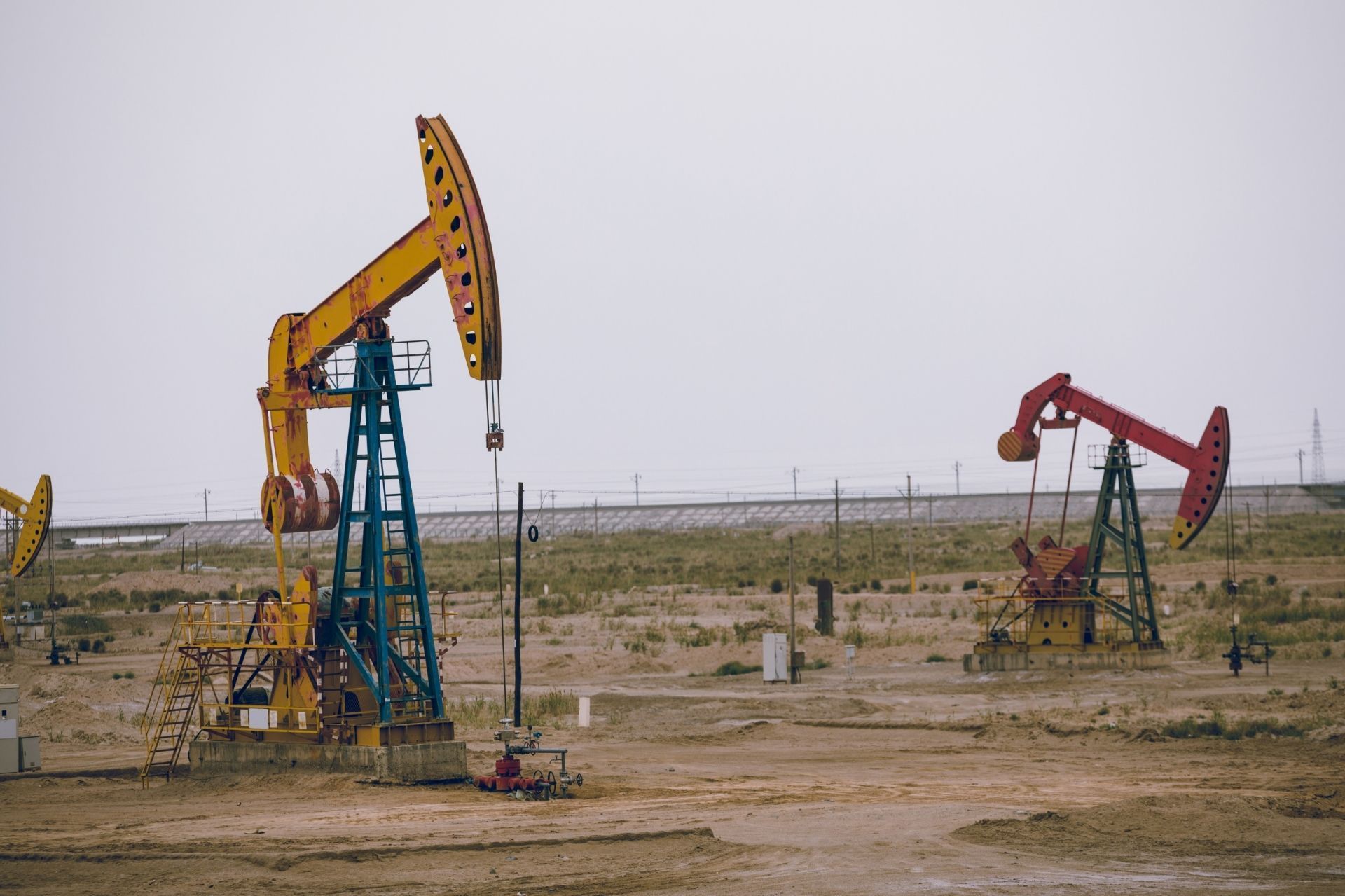
Oil and gas exploration, midstream transport, refining, petrochemicals, large utilities, and now large-scale renewables all share some uncomfortable traits. Operations often run continuously. They handle flammable, toxic, or explosive substances. They sit at or near critical infrastructure that entire regions depend on. When something goes wrong, it is rarely a small claim.
The historical loss picture reinforces this. The fact that oil and gas alone accounts for a majority of energy-related liability claims in a recent analysis tells underwriters that even within the energy segment, some activities are much more loss-prone than others as reflected in energy and power insurance market data. That leads carriers to reserve more capital for these risks and to build a bigger margin into pricing.
On top of the core industrial hazards, energy businesses now sit in the middle of three powerful trends. Grids are taking on more intermittent renewable generation. Operations are heavily digitized and automated. Climate-related physical risks are becoming more frequent and more severe. The result is a convergence of traditional industrial risk with climate, cyber, and systemic exposure, which is why pricing feels so technical and so unforgiving.
Market Conditions That Shape Pricing
Even the cleanest risk profile will not escape broader market dynamics. Underwriters set technical prices at the account level, but they operate inside a commercial environment shaped by capital, competition, and loss experience across the portfolio.
On the broader commercial side, U.S. insurance buyers saw average pricing rise several percentage points in a recent first quarter, a sign that inflation, social inflation, and reinsurance costs still weigh on carriers even where appetite remains strong based on survey data from WTW’s Commercial Lines Insurance Pricing Survey. High-hazard energy classes feel those pressures acutely because severity claims hit reinsurance treaties and capital charges fastest.
At the same time, the dedicated energy insurance market has recently shown signs of softening, with capacity in some segments at record levels and new players entering or expanding their lines according to an energy market review from a major global broker. That extra capacity creates competition for better risks, pushes carriers to sharpen their pencils, and can moderate rate increases for accounts that tell a strong risk story.
This tension between upward cost pressure and abundant capacity makes pricing decisions particularly nuanced. For a high-quality account with strong safety culture and clean loss history, a syndicate may be willing to accept thinner margins to win or keep the business. For an operator with prior large losses, aging assets, or weak controls, even a softening market may not translate into significantly better terms, because capital providers still demand adequate return for the tail risk.
Reinsurance renewals and capital markets also feed directly into the equation. If reinsurers become nervous about catastrophe exposures, systemic cyber risk, or climate-related aggregation in the energy portfolio, they may tighten terms or increase the cost of capacity. That usually shows up in the pricing models that front-line underwriters use, even if the buyer never sees that reinsurance discussion.
Core Pricing Building Blocks For High-Hazard Energy Accounts
Despite the complexity, most carriers follow a set of core building blocks when pricing high-hazard energy risks. Different markets have their own models and terminology, but the logic is similar. Underwriters start by estimating the exposure. They then look at frequency and severity of likely losses, adjust for risk controls and management quality, and layer in market and capital considerations.
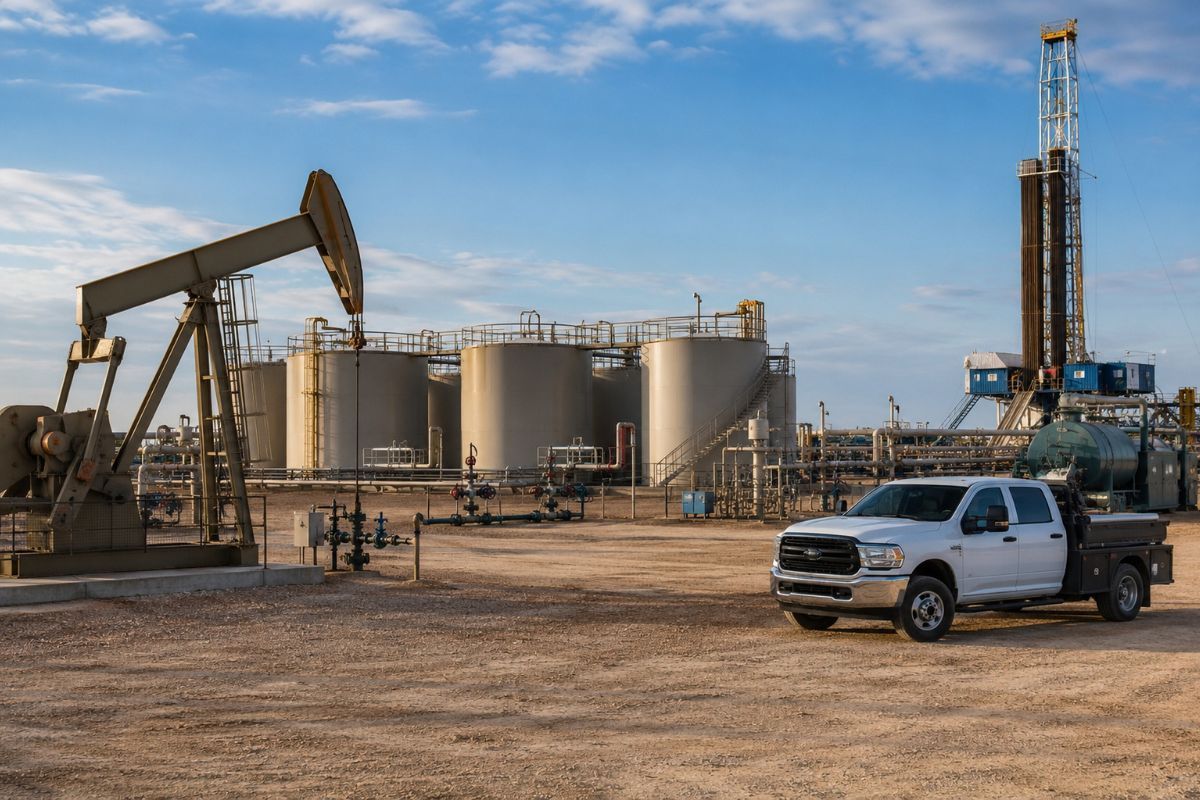
Exposure can mean different things depending on the coverage. For property and business interruption, it is often replacement cost values, production capacity, or maximum foreseeable loss at a site. For general liability or environmental liability, it might be throughput, miles of pipeline, volumes stored or transported, or the nature of third-party contracts. For specialty covers like control of well or construction all risks, exposure ties back to project size, depth, geology, or technical complexity.
From there, carriers think in terms of both frequency and severity. They consider how often minor incidents occur in similar operations and how big the worst credible event could be. A facility with frequent small leaks or near misses may not have many large claims, but it signals a culture and maintenance posture that can justify higher pricing. Conversely, a site with very strong day-to-day performance but rare, very large catastrophe potential may drive a different rating approach, with more emphasis on limits management and attachment points.
The table below shows a simplified view of how underwriters might compare two hypothetical energy accounts and translate differences into pricing attitudes.
| Factor | Onshore Processing Plant | Offshore Platform |
|---|---|---|
| Physical exposure | Large fixed assets, easier emergency access, established fire protection | Remote location, difficult access, harsher environment |
| Operational profile | Continuous operations with regular maintenance shut downs | High pressure systems, limited maintenance windows, complex logistics |
| Severity potential | Significant property damage and business interruption, local community impact | Massive property damage, pollution, worker safety, and regional supply impact |
| Underwriting attitude | More appetite for higher limits and broader coverage for well-managed sites | Careful limit deployment, higher technical rate, stricter terms and conditions |
Credits and debits then refine that technical price. Strong safety leadership, third-party certifications, modern equipment, and robust emergency response planning can pull pricing down relative to the model. Weak contractor controls, poor documentation, or opacity around near-miss data can push it up. The more evidence a buyer can provide, the more confident an underwriter feels and the less conservative that underwriter needs to be.
How Underwriters Read Your Risk Profile
Pricing is not just about assets and limits. It is also a judgment about how an organization thinks, behaves, and reacts under pressure. That is why energy underwriters pay close attention to risk culture signals long before they get to the quoted rate.
They look closely at process safety management. Written procedures are important, but so is the evidence that those procedures live in the field. Incident investigation quality, near-miss reporting rates, corrective action tracking, and management of change practices all send clear messages. An underwriter will interpret an honest, detailed incident summary with clear lessons learned very differently from a sparse loss run that seems to underplay events.
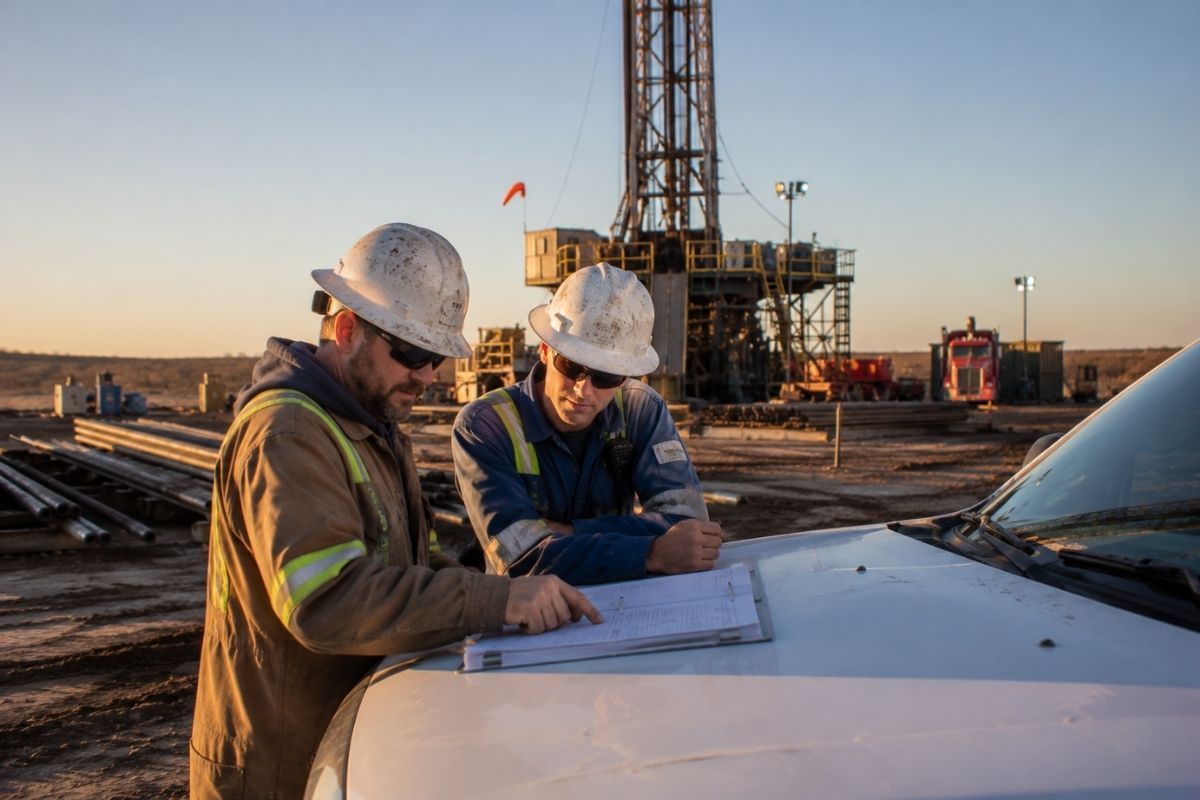
Contractor and vendor management is another hot button. High-hazard energy work often depends on specialized contractors, temporary workers, and complex subcontracting chains. Underwriters want to know how those relationships are vetted, trained, and supervised, and how contractual risk transfer is structured. They are particularly interested in operations where labor shortages or rapid growth have forced companies to lean heavily on less-experienced crews.
New types of operations can also change the way insurers read a risk. For instance, the spread of large artificial intelligence data centers has created a class of customers that consume enormous amounts of electricity and are actively pursuing their own generation and backup capacity, including self-sustaining facilities, which raises new questions around concentration and dependency risk for utilities and energy suppliers as highlighted by energy and environmental specialists in the insurance sector. Underwriters want to understand how these new loads interact with existing infrastructure, what happens during outages, and how contracts allocate responsibility.
All of this feeds into a kind of qualitative scorecard sitting on top of the numeric model. Two businesses with similar assets and loss histories can end up with very different prices if one can demonstrate disciplined governance, transparent reporting, and a proactive partnership mindset, while the other presents as defensive or disorganized during underwriting meetings.
Climate, Grid Volatility And Space Weather
Beyond site-level controls, high-hazard energy pricing increasingly reflects systemic and external threats. Carriers are keenly aware that climate-related physical risks, grid instability, and even space weather can turn into real losses across portfolios that were never modeled to respond in such a correlated way.
Climate modeling has started to penetrate energy pricing in a material way. Projections suggest that by the middle of this century, climate physical risks could impose annual costs on the world’s largest corporations measured in the trillions, with utilities shouldering a disproportionately large share of that burden compared with other sectors based on analysis from S&P Global on climate-related physical risk. For underwriters, that means they must think not just about flood or wind at a single plant, but also about how many insured locations sit in the same river basin, coastal zone, or wildfire corridor.
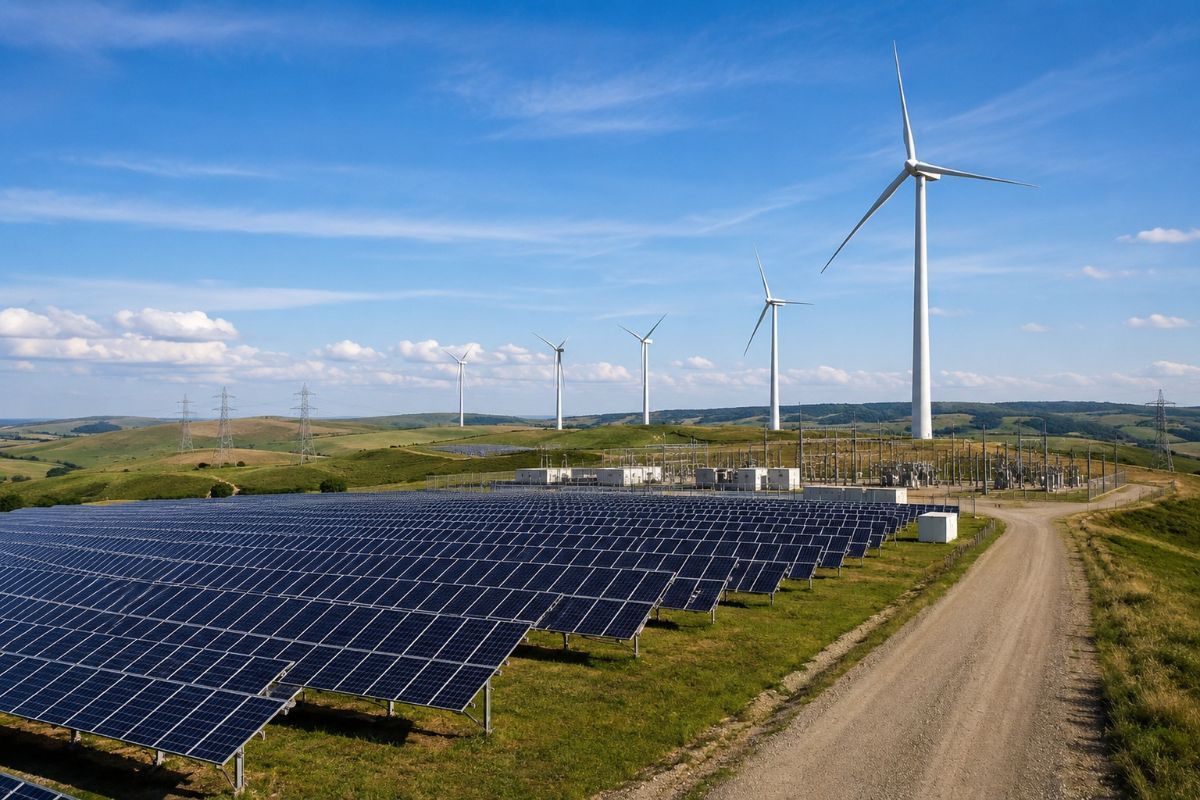
Grid volatility brings its own challenges. As more intermittent generation connects to transmission and distribution networks, load flows become harder to predict and control. Rapid swings in supply or demand can create stresses on equipment, trigger protection systems, and expose weaknesses in maintenance regimes. Carriers now ask more detailed questions about how operators manage curtailment, ramping, and coordination with grid operators, not just about on-site safety systems.
Space weather is a more surprising factor for many buyers. Research on geomagnetically induced currents has demonstrated that solar storms can cause malfunctions and failures in electrical and electronic devices, contributing to hundreds of insurance claims across North America in an average year when such events occur according to a study of space weather impacts on power grids and insurance losses. For utilities and transmission operators, that kind of risk is now appearing in underwriting conversations, especially for high-voltage networks in vulnerable latitudes.
Because these threats are systemic, underwriters often respond through portfolio management tools. They may cap the total limits deployed in certain regions, adjust deductibles for catastrophe perils, or require more stringent protections for critical equipment like transformers and control systems. Those portfolio constraints can affect individual account pricing even if a single buyer’s risk controls are strong, simply because the carrier is trying to manage aggregation.
Cyber, Renewable Grids And Digital Controls
Digitization and the energy transition have pulled cyber risk into the center of the pricing conversation. Industrial control systems, remote operations, and cloud-connected assets give operators powerful tools, but they also create new attack surfaces and failure modes that traditional energy underwriting was not built to handle.
Renewable-rich grids highlight this interaction. Simulation work on power systems has shown that when variable generation meets highly fluctuating loads, the operational costs of keeping the lights on can spike sharply, especially during periods of large load variation, which becomes a financial and reliability problem for grid operators as demonstrated in a study that also proposed a cyber insurance framework for renewable-heavy power networks. If a cyber event intentionally disrupts dispatch, measurement, or control under those conditions, the resulting losses could be severe and widespread.
Underwriters therefore want to understand cyber hygiene at a deep level. They will ask about segmentation between office IT and operational technology, patching practices, multi-factor authentication, logging and monitoring, and incident response drills. For companies running remote operations centers or vendor-managed control systems, carriers also look at contractual responsibilities and security standards imposed on third parties.
Many energy buyers now purchase stand-alone cyber policies in addition to traditional property and liability coverage. Even when carriers are not providing the cyber policy themselves, they still worry about silent cyber exposure in their existing wordings. That concern can drive exclusions, sublimits, or rate loads where underwriters feel that a major cyber-physical event could trigger property damage, business interruption, or pollution claims that were never intended to respond to hacking events.
What Brokers And Risk Managers Can Do To Influence Pricing
Energy companies often feel that pricing decisions come from a black box. While some forces are outside any single buyer’s control, there is more room to influence outcomes than many assume. The key is to approach underwriting as an ongoing dialogue rather than a once-a-year negotiation.
First, invest in the story. Underwriters do not work on site; they see only what the submission shows them. Comprehensive engineering surveys, clear narratives around recent incidents, robust descriptions of process safety and maintenance programs, and thoughtful answers to underwriter questions all help replace guesswork with evidence. That evidence often translates into better pricing, broader coverage, or more stable capacity through the cycle.
Second, recognize that the energy transition changes the risk picture in both directions. New technologies, from large-scale batteries to hydrogen, introduce unfamiliar hazards and limited loss history. At the same time, they may reduce certain traditional risks or create opportunities for more resilient design. Industry specialists have emphasized that this moment is a critical year for the energy transition, and they encourage energy firms to work hand in hand with insurers to tailor risk management strategies and coverage solutions rather than treat insurance as a commodity purchase as noted by broking leaders focusing on natural resources and energy.
Third, make internal partnerships work. Operations, engineering, finance, and risk management teams all see different parts of the picture. When they collaborate on submissions, site visits, and renewal strategy, they can surface improvements, justify investments, and answer underwriter concerns far more effectively than a single department working alone. That collaboration also speeds up responses during the policy period, which can matter when an underwriter revisits terms after a near miss or emerging risk.
Finally, use the market strategically. In a capacity-rich environment, it can be tempting to chase the lowest price every year. For high-hazard energy risks, long-term relationships with insurers that truly understand the operations often prove more valuable over time. Those partners are more likely to stick with an account after a bad year, support new projects, and tailor coverage around complex projects or acquisitions
Frequently Asked Questions About Pricing High-Hazard Energy Insurance
Why do high-hazard energy businesses pay more for insurance than other industries?
These operations combine heavy industrial processes, hazardous materials, complex infrastructure, and often critical roles in regional or national energy supply, so both the likelihood and potential size of losses are higher than in many other sectors. Historical claim patterns in energy lines, including the fact that a large share of energy-related liability claims arise from oil and gas activities, reinforce underwriters’ perception of elevated risk and drive them to charge more for the capital they deploy as reflected in sector-specific insurance claim statistics.
How much do broader insurance market trends affect my specific premium?
Your own loss history and risk controls matter a great deal, but you also sit inside a wider commercial insurance market where capital costs, reinsurance pricing, and average rate movements influence what carriers can offer. When average commercial prices are rising across many lines and classes, as seen in recent surveys of U.S. buyers, energy accounts usually experience some of that upward pressure even if they are well managed according to pricing trend data compiled by WTW.
Are climate and space weather really part of how my energy policy is priced?
Yes, especially for utilities and grid-connected energy businesses. Underwriters now look at climate-related aggregation across portfolios and regions because long-range analysis suggests that physical climate risks could impose very large recurring costs on the world’s biggest companies, with utilities particularly exposed, and they also factor in emerging research on space weather, which links solar storms to equipment failures and related insurance claims in power systems as discussed in climate risk assessments.
How does cyber risk influence pricing for plants, pipelines, and grids?
Digital controls and remote operations mean that a cyber incident can now cause physical damage, service interruptions, and even environmental releases, which were traditionally viewed as purely operational risks. Studies on renewable-heavy grids show that when load variations and operational stress are high, disruptions or manipulation of control systems can significantly increase costs, so underwriters pay close attention to cyber security practices and may adjust pricing or terms based on how well these risks are managed according to simulation-based research on cyber and operational risk in power networks.
What can my company do before renewal to put downward pressure on rates?
Focus on evidence and communication. Document safety and maintenance improvements, update engineering surveys, be transparent about incidents and corrective actions, and ensure that operations, engineering, and risk management are aligned on the message to underwriters. Engaging early with brokers and insurers to discuss transition projects and emerging risks has been highlighted by energy-focused brokers as a practical way to secure more tailored coverage and potentially better pricing over time
based on recent commentary from broking leaders in the energy insurance market.
Search by posts
Recent posts