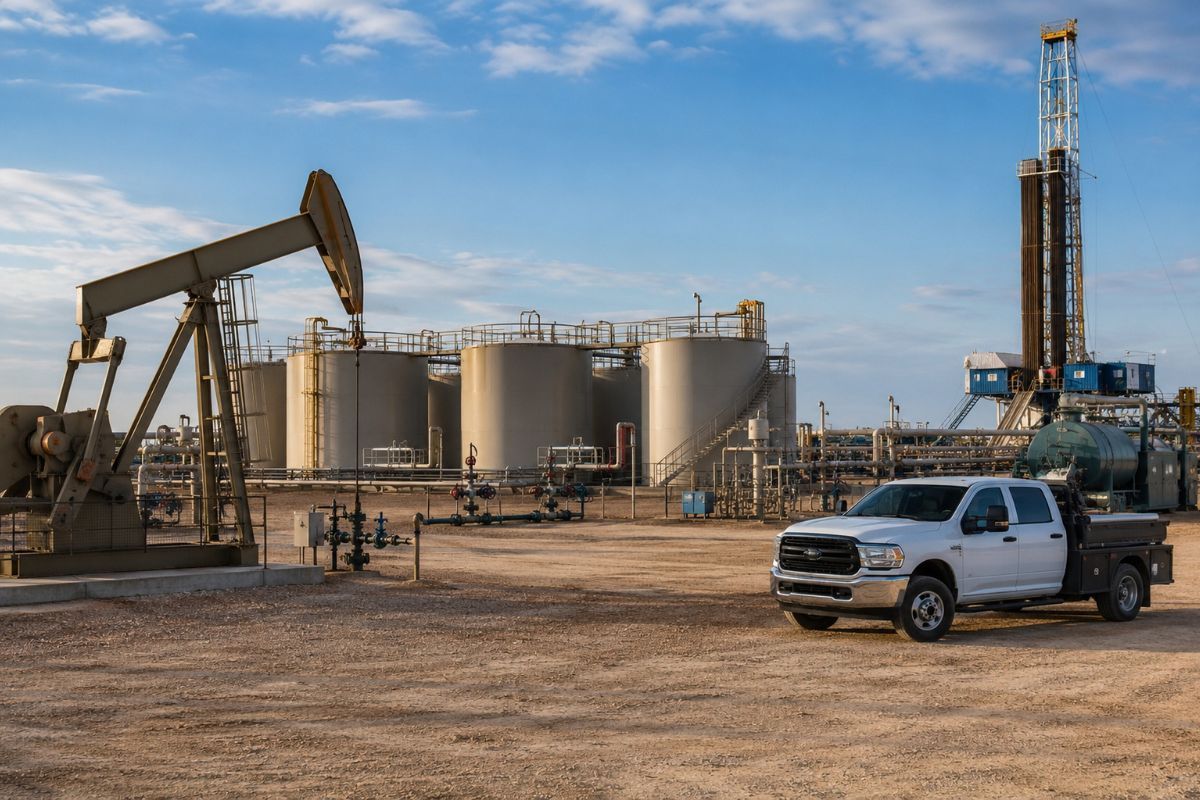
Fleet Insurance Strategies for Oil and Gas Trucking Operations in a Hard Market
See How We're Different
Or Call Us: (281) 823-8262

A Civil War-era Colt revolver passed down through four generations. A Winchester rifle your great-grandfather carried on cattle drives across the Hill Country. These aren't just firearms; they're tangible connections to Texas history and family legacy. Yet many collectors discover too late that their standard insurance policies leave these irreplaceable pieces woefully underprotected.
Protecting your heritage with antique gun insurance in Texas requires understanding the unique risks these collections face. Unlike modern firearms purchased for self-defense or sport, antique guns carry value far beyond their functional worth. A pre-1899 Sharps buffalo rifle might fetch $15,000 at auction, while a documented Texas Ranger sidearm could command six figures. Standard homeowners coverage simply wasn't designed for assets like these.
Texas has a deep relationship with firearms history. From the Republic era through the frontier period, guns shaped the state's identity. Collectors here often possess pieces with direct ties to significant historical events or figures. That provenance adds value, but it also creates insurance complications that demand specialized solutions.
The challenge isn't just finding coverage; it's finding the right coverage. Policies that adequately protect a modern sporting rifle collection may fail catastrophically when applied to antiques. Replacement isn't always possible when a piece is one-of-a-kind. This reality shapes how Texas collectors must approach insurance, documentation, and risk management for their heritage firearms.
The Cultural and Financial Value of Antique Firearms in Texas
Texas collectors often inherit pieces that represent both family history and significant monetary value. A single antique firearm might be worth more than an entire modern collection, yet many owners remain unaware of their pieces' true market value until disaster strikes.
The emotional weight of these collections compounds the financial stakes. When a house fire destroys a great-great-grandfather's Confederate cavalry pistol, no insurance check can truly replace what's lost. That said, adequate coverage at least prevents the financial devastation from compounding the emotional loss.
Defining Antique and Collectible Firearms
The ATF defines antique firearms as those manufactured before 1899 or replicas that don't use conventional ammunition. This classification matters for legal purposes, but insurance companies often use different criteria. Some policies consider any firearm over 50 years old as a collectible, while others focus strictly on market value.
For insurance purposes, what matters most is documentation proving age, authenticity, and provenance. A firearm's story directly impacts its value. An unmarked 1870s revolver might be worth $2,000, while the same model with documented ownership by a famous lawman could command $50,000 or more.
Why Standard Homeowners Policies Often Fall Short
Experts emphasize that standard homeowners insurance often falls short in adequately covering firearms collections due to coverage limits and exclusions. Most policies cap firearms coverage at amounts that barely scratch the surface of a serious collection's value.
Standard homeowners insurance policies often have
maximum loss coverage averaging $1,500 to $2,500 for an entire firearms collection. That limit might cover a single entry-level antique, leaving the rest of your collection completely exposed. The policy language often excludes "mysterious disappearance" and may require proof of forced entry for theft claims.
Specialized Coverage Options for Historic Collections
Dedicated firearms insurance policies address the gaps left by standard homeowners coverage. These specialized products understand that antique guns require different valuation methods and coverage terms than modern firearms or typical household items.
Several insurers now offer policies designed specifically for collectors. Coverage can start surprisingly affordable: Lockton Affinity Outdoor's Firearm Insurance provides coverage starting at $62.50 per year for $5,000 worth of firearms. For larger collections, rates scale accordingly but often remain reasonable relative to the protection provided.
Agreed Value vs. Actual Cash Value
The distinction between agreed value and actual cash value coverage represents the most critical decision for antique gun owners. Actual cash value policies pay what the item was worth at the time of loss, minus depreciation. For a 150-year-old firearm, this calculation makes no sense.
Agreed value policies establish a set amount upfront, based on professional appraisal. If your policy lists a Colt Peacemaker at $25,000 agreed value, that's what you receive after a covered loss, period. No depreciation calculations, no disputes about current market conditions.
| Coverage Type | How It Works | Best For |
|---|---|---|
| Actual Cash Value | Pays current market value minus depreciation | Modern firearms, recent purchases |
| Agreed Value | Pays pre-determined amount based on appraisal | Antiques, rare pieces, documented items |
| Blanket Coverage | Single limit covers entire collection | Large collections with similar-value pieces |
| Scheduled Coverage | Each item listed separately with individual values | Mixed collections with high-value outliers |
Protection Against Accidental Damage and Loss
Standard policies often exclude accidental damage, but specialized firearms coverage typically includes it. Dropping a rare antique during cleaning, accidental discharge causing damage, or mishaps during transport all fall under this protection.
One thing to keep in mind: some policies also cover loss during transit to shows, appraisals, or gunsmith visits. This matters for Texas collectors who regularly attend gun shows in Houston, Dallas, or smaller regional events. Your coverage shouldn't stop at your property line.
Navigating Texas-Specific Insurance Requirements
Texas insurance regulations provide certain consumer protections while allowing significant flexibility in policy terms. The state doesn't mandate specific coverage levels for firearms, leaving collectors responsible for securing adequate protection independently.
Texas law does require insurers to honor policy terms as written, which makes understanding your coverage language essential. Ambiguous terms generally get interpreted in the policyholder's favor, but relying on that protection isn't a sound strategy.
State Regulations and Liability Considerations
Texas follows a "castle doctrine" that affects liability considerations for firearms owners. While this primarily concerns self-defense scenarios, liability coverage in your firearms policy should address potential accidents involving your collection.
Consider scenarios where a guest handles an antique and injures themselves, or where a displayed piece falls and causes damage. Your policy's liability component should address these situations. Most specialized firearms policies include liability coverage, but limits vary significantly.
Essential Steps for Documenting Your Heritage Collection
Documentation serves two purposes: proving ownership and establishing value. Without proper records, even the best insurance policy becomes difficult to claim against. Texas collectors should treat documentation as an ongoing process, not a one-time task.
The catch is that many inherited collections come with minimal documentation. Previous generations may not have kept receipts, photographs, or provenance records. Reconstructing this information takes time but dramatically improves both insurability and collection value.
Professional Appraisals and Authentication
Professional appraisals provide the foundation for agreed value coverage. Antique gun appraisals can range from $195 to $395 for a single item, making comprehensive collection appraisals a significant investment. That investment pays dividends through accurate coverage and smoother claims processes.
Choose appraisers with specific expertise in your collection's era and type. A generalist antiques appraiser may miss nuances that a dedicated firearms expert would catch. The American Society of Appraisers maintains directories of certified professionals.
Maintaining Detailed Inventories and Digital Records
Create multiple copies of all documentation, stored in different locations. Your inventory should include high-resolution photographs from multiple angles, serial numbers, measurements, condition notes, and provenance information.
Cloud storage provides off-site backup, but also maintain physical copies in a fireproof safe or bank deposit box. Update your inventory whenever you acquire new pieces or when existing pieces undergo restoration or conservation work.
Risk Mitigation and Safe Storage Best Practices
Insurance protects against financial loss, but proper storage prevents loss in the first place. Many policies offer premium discounts for collectors who implement specific security measures.
Safes rated for firearms storage, monitored alarm systems, and fire suppression all reduce risk. Some insurers require these measures for high-value collections; others simply reward them with lower premiums.
Climate Control and Environmental Protection
Antique firearms face threats beyond theft and fire. Humidity fluctuations cause wood stocks to crack and metal to corrode. Texas climate presents particular challenges, with humidity varying dramatically between coastal and inland regions.
Maintain storage areas between 45-55% relative humidity. Silica gel packets help in small safes, while dedicated climate control systems serve larger collections. Monitor conditions with digital hygrometers and address fluctuations promptly.
Frequently Asked Questions
What makes antique gun insurance different from regular firearms coverage? Antique gun insurance uses agreed value policies based on professional appraisals rather than depreciation calculations. It also typically covers provenance documentation, accidental damage, and transit to shows or appraisers.
How often should I update my antique firearms appraisals? Most insurers recommend reappraisal every three to five years, or whenever market conditions shift significantly. Some policies, like those from 1776 Insurance, offer an automatic monthly increase option to account for appreciation between formal appraisals.
Does my homeowners insurance provide any coverage for antique guns? Yes, but typically with severe limits. Most policies cap firearms coverage at $1,500 to $2,500 total, regardless of your collection's actual value.
What documentation do I need for an insurance claim? You'll need proof of ownership, photographs, appraisals, and any provenance documentation. Serial numbers, purchase receipts, and inheritance records strengthen claims significantly.
Are antique firearms covered during transport to gun shows? Coverage varies by policy. Many specialized firearms policies include transit coverage, but verify this before traveling with valuable pieces.
Securing Your Legacy for Future Generations
Preserving your heritage collection requires more than careful storage and occasional cleaning. Proper insurance ensures that if the worst happens, your family retains the financial value even when the physical pieces are lost.
Nationwide Private Client premiums typically range from 0.75% to 1.5% of the insured value annually, making comprehensive coverage accessible for most serious collectors. That investment protects not just the firearms themselves but the family stories and Texas history they represent.
Start by inventorying your collection and obtaining professional appraisals for significant pieces. Contact specialized firearms insurers to compare coverage options and premiums. Review your documentation annually and update coverage as your collection grows or values change. Your ancestors preserved these pieces through decades of Texas history; proper insurance helps ensure they survive for generations to come.
Search by posts
Recent posts