Protecting Midstream Assets with Risk Coverage
See How We're Different
Or Call Us: (281) 823-8262

A single pipeline rupture can cost an operator $50 million before the sun sets. Storage tank failures, compressor station explosions, and transportation incidents create financial exposure that can cripple even well-capitalized midstream companies. The infrastructure connecting wellheads to refineries faces threats from every direction: aging equipment, severe weather, cyberattacks, and regulatory enforcement actions that grow more aggressive each year.
Understanding how insurance safeguards pipeline, storage, and transportation assets isn't just prudent risk management. It's essential for operational survival. Midstream operations risk coverage has evolved significantly over the past decade, responding to an industry where a corrosion-related leak can trigger environmental remediation costs exceeding $100 million and regulatory fines that compound daily.
The stakes extend beyond immediate property damage. Business interruption losses from a single incident can dwarf the physical repair costs, especially when downstream customers lose access to critical feedstock. Operators who treat insurance as an afterthought often discover painful coverage gaps precisely when they need protection most. Those who integrate specialized risk coverage into their operational strategy gain both financial protection and competitive advantages in securing favorable financing terms and partnership agreements.
The Evolving Risk Landscape for Midstream Infrastructure
Physical Threats to Pipelines and Storage Facilities
Corrosion remains the leading cause of pipeline failures, accounting for roughly 25% of significant incidents reported to PHMSA annually. Internal corrosion from product contaminants and external corrosion from soil conditions create slow-developing weaknesses that can fail catastrophically without warning. Third-party excavation damage adds another layer of risk, with construction crews striking buried lines despite one-call notification systems.
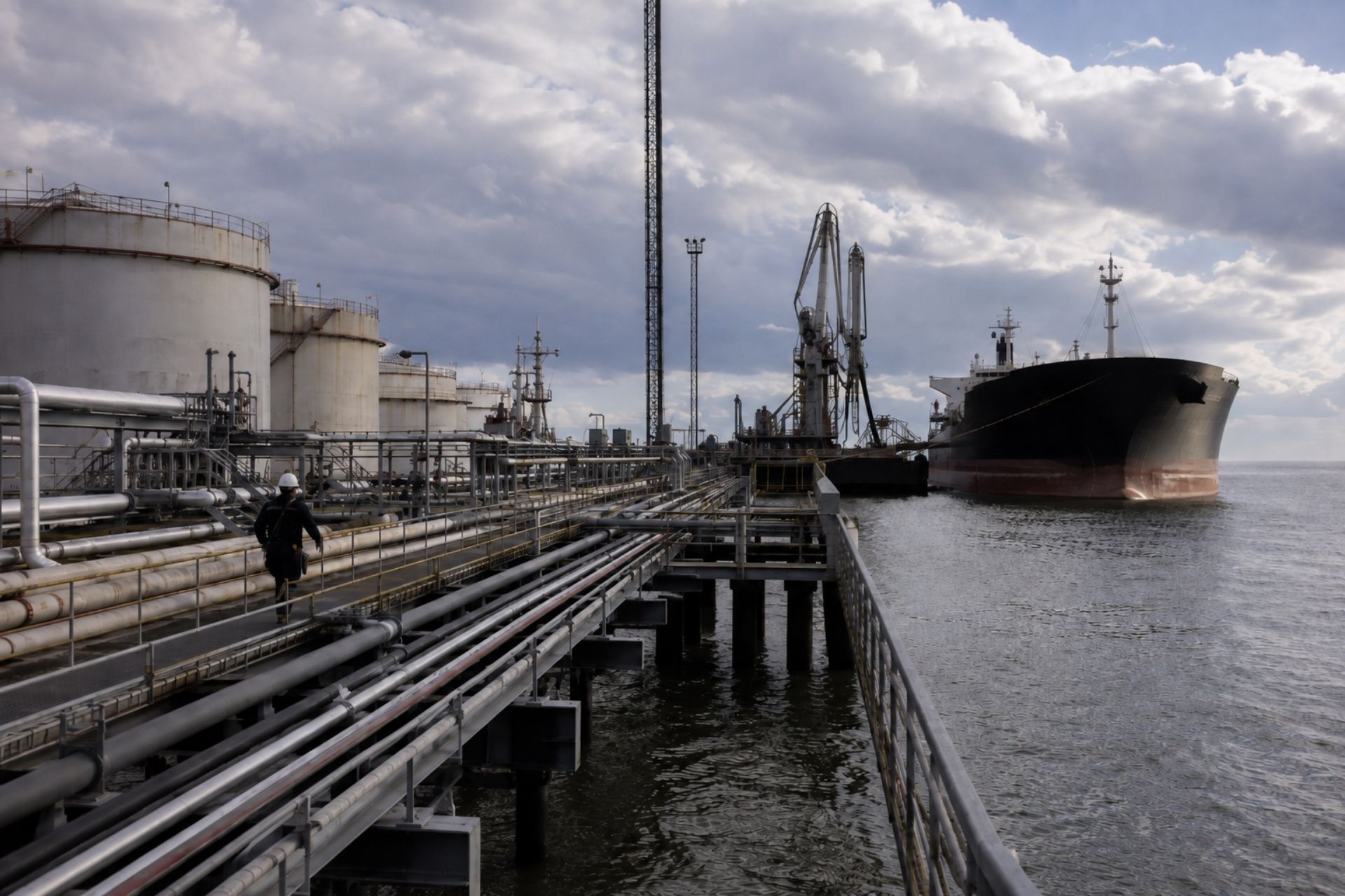
Storage facilities face their own hazards. Tank floor corrosion, floating roof seal failures, and overfill events create spill risks that trigger immediate regulatory response. Compressor stations present fire and explosion exposures from pressurized hydrocarbon handling, while pump stations along liquid lines face mechanical breakdown risks that can halt throughput for days.
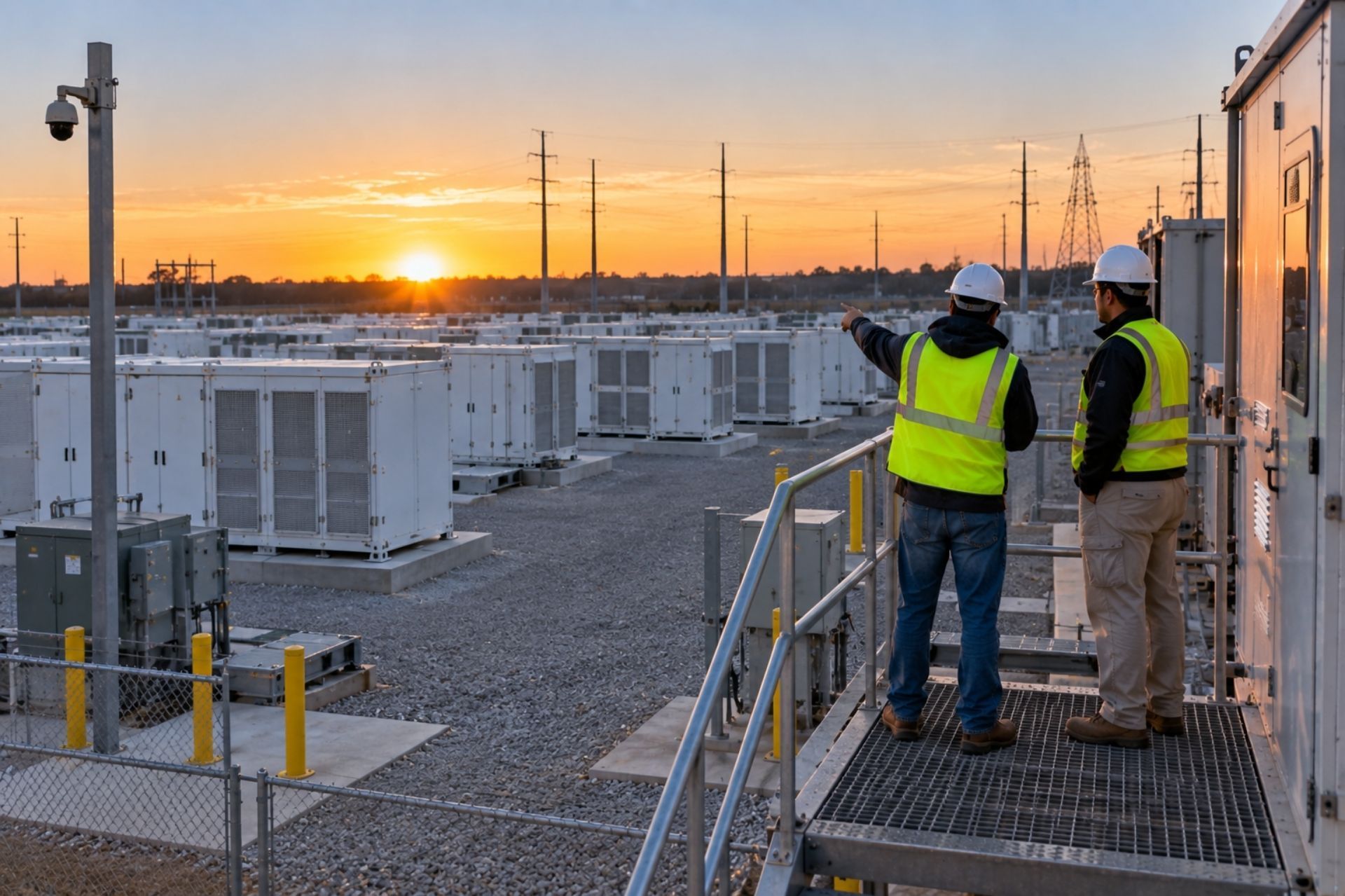
Natural disasters compound these operational vulnerabilities. Hurricane-force winds damage above-ground facilities, flooding undermines pipeline supports at water crossings, and ground movement from seismic activity or subsidence stresses buried infrastructure beyond design tolerances.
Cybersecurity Vulnerabilities in Industrial Control Systems
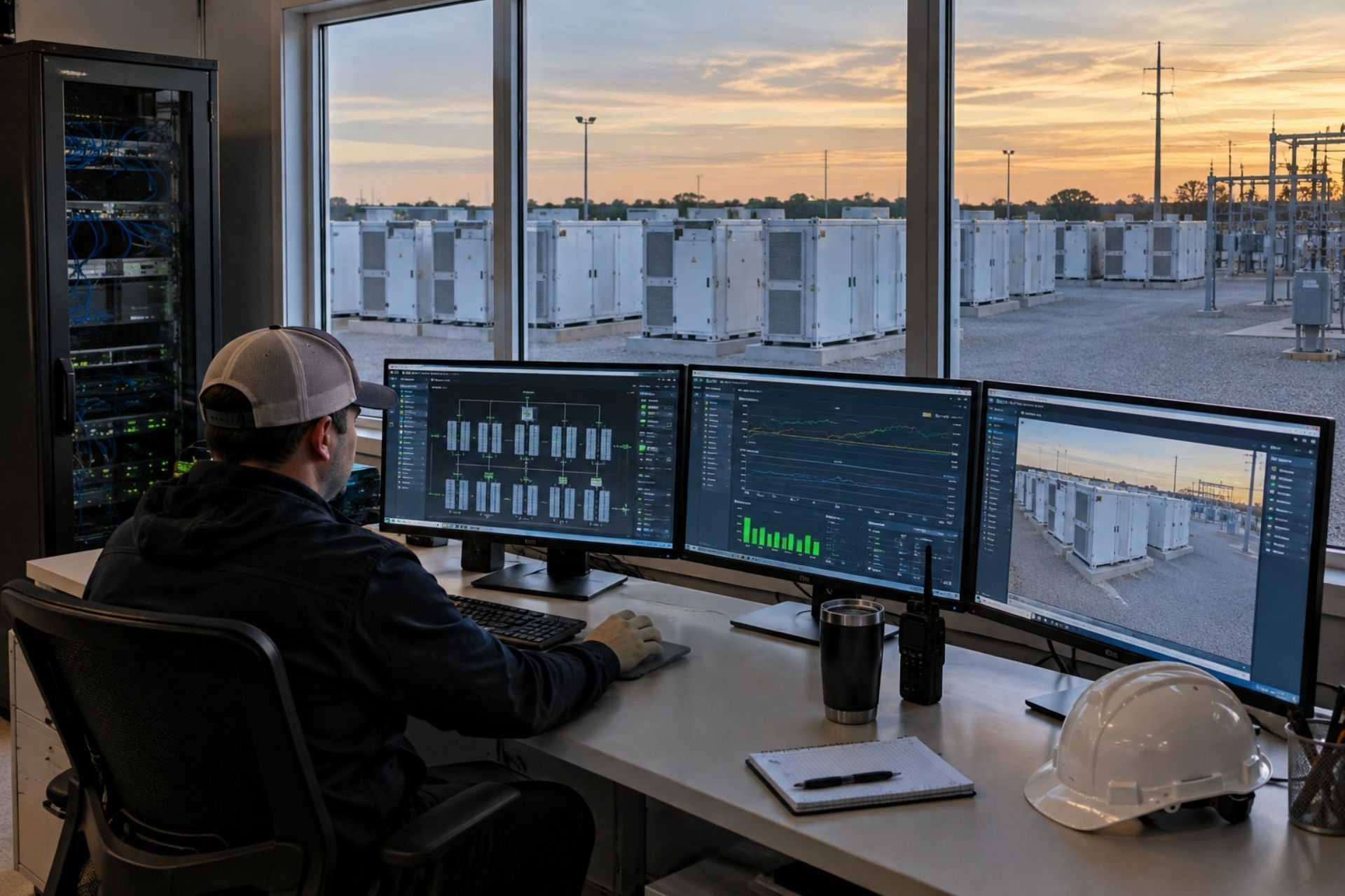
The Colonial Pipeline ransomware attack in 2021 demonstrated how cyber incidents can shut down critical infrastructure for extended periods. SCADA systems controlling valve operations, pressure monitoring, and leak detection present attractive targets for malicious actors. Many midstream operators still run legacy control systems with limited security features, creating exploitable vulnerabilities.
Cyber coverage for industrial operations differs substantially from standard business cyber policies. Midstream operators need protection addressing both IT systems and operational technology networks, with coverage extending to physical damage caused by manipulated control systems and business interruption losses from system shutdowns.
Environmental and Regulatory Liability Exposures
Environmental enforcement has intensified dramatically. EPA penalties for Clean Air Act violations at compressor stations now routinely exceed $1 million, while Clean Water Act enforcement for pipeline releases can trigger consent decrees requiring decades of monitoring and remediation. State environmental agencies have grown equally aggressive, particularly in regions with heightened public concern about fossil fuel infrastructure.
Beyond regulatory penalties, private litigation from affected landowners and communities adds another liability layer. Class action suits following pipeline incidents can generate settlements in the hundreds of millions, particularly when groundwater contamination affects drinking water supplies.
Core Insurance Components for Asset Protection
Property and Business Interruption Coverage
Standard property policies for midstream assets cover physical damage to pipelines, storage tanks, pump and compressor stations, and associated facilities. Coverage typically addresses named perils including fire, explosion, windstorm, and equipment breakdown. Valuation methods matter significantly here: replacement cost coverage ensures adequate funds for rebuilding, while actual cash value policies leave operators covering depreciation gaps out of pocket.
Business interruption coverage proves equally critical. When a pipeline segment fails, operators lose throughput revenue until repairs complete. Extended business interruption coverage addresses the ramp-up period after repairs, recognizing that returning to full operational capacity takes time. Contingent business interruption, discussed below, addresses losses from disruptions affecting connected facilities you don't own.
| Coverage Type | What It Protects | Typical Limits |
|---|---|---|
| Property Damage | Physical assets, equipment, structures | $50M to $500M+ |
| Business Interruption | Lost revenue during shutdown | 12-24 months of gross earnings |
| Extra Expense | Costs to expedite repairs | $5M to $25M |
| Equipment Breakdown | Mechanical/electrical failure | $10M - $100M |
Pollution and Environmental Impairment Liability
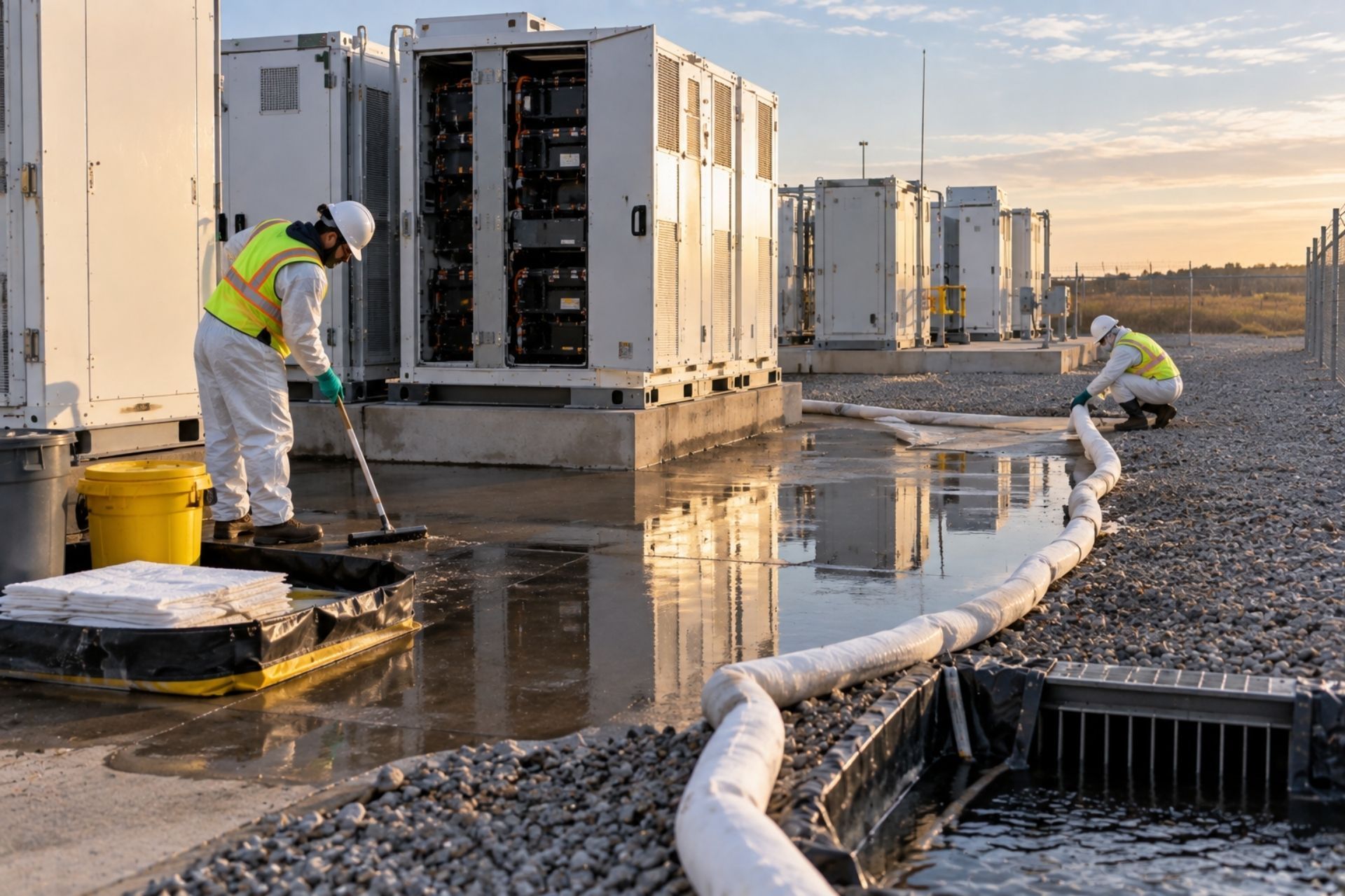
Standard general liability policies exclude pollution claims, making dedicated environmental coverage essential. Pollution legal liability policies address third-party bodily injury and property damage from releases, along with cleanup costs mandated by regulatory agencies. Coverage triggers vary: some policies respond only to sudden and accidental releases, while broader forms cover gradual pollution conditions discovered during the policy period.
Site-specific pollution policies cover known facilities, while contractors pollution liability protects against incidents during construction and maintenance activities. Transportation pollution coverage addresses spills during
product movement, filling a gap that standard auto and cargo policies exclude.
Mitigating Financial Loss through Specialized Risk Transfer
Contingent Business Interruption for Supply Chain Disruptions
Midstream operators depend on upstream producers delivering product and downstream customers accepting delivery. When a refinery explosion shuts down your primary customer, your pipeline sits idle even though your facilities remain undamaged. Contingent business interruption coverage addresses this exposure, compensating for lost revenue when supply chain disruptions beyond your control halt operations.
Coverage extensions can include unnamed suppliers and customers, protecting against disruptions at facilities you may not even know supply your feedstock. Ingress and egress coverage addresses situations where access to your facilities becomes blocked, such as when a bridge collapse prevents maintenance crews from reaching a remote compressor station.
Political Risk and Terrorism Endorsements
Standard property policies exclude terrorism, requiring separate coverage through programs like TRIPRA (Terrorism Risk Insurance Program Reauthorization Act). For operators with international assets, political risk coverage addresses expropriation, political violence, and currency inconvertibility. These exposures have grown more relevant as geopolitical tensions affect energy infrastructure globally.
Sabotage coverage addresses intentional damage by third parties, filling gaps between terrorism coverage (which typically requires certified acts) and standard vandalism provisions. Given increasing activism targeting fossil fuel infrastructure, this coverage deserves serious consideration.
Integrating Risk Management with Operational Safety
The Role of Predictive Maintenance in Reducing Premiums
Insurance underwriters reward operators who demonstrate proactive risk management. Inline inspection programs using smart pigs to detect corrosion and anomalies, cathodic protection monitoring, and aerial patrol programs all contribute to favorable underwriting treatment. Operators maintaining comprehensive integrity management programs typically secure better terms than those relying on reactive maintenance approaches.
Documentation matters as much as the programs themselves. Underwriters want evidence of systematic inspection schedules, timely anomaly remediation, and management commitment to safety. Operators who can demonstrate declining incident rates and near-miss trending often negotiate premium reductions of 10-20% compared to industry averages.
Crisis Management and Emergency Response Planning
Insurers increasingly evaluate emergency response capabilities when pricing coverage. Operators with established relationships with emergency response contractors, pre-positioned equipment, and tested incident command structures present lower risk profiles. Regular tabletop exercises and full-scale drills demonstrate organizational readiness that underwriters value.
Crisis communication planning also affects coverage outcomes. Operators who manage public messaging effectively following incidents typically face lower litigation exposure than those whose communications create additional liability. Some insurers offer premium credits for operators who complete crisis communication training and maintain updated stakeholder notification procedures.
Future-Proofing Midstream Assets Against Emerging Hazards
Addressing Climate Change and Extreme Weather Resilience
Weather patterns have shifted observably over the past two decades, with more frequent extreme precipitation events, longer wildfire seasons, and intensifying hurricane activity in Gulf Coast regions. Operators are reassessing flood zone exposures, reinforcing facilities against higher wind loads, and implementing wildfire mitigation measures for assets in vulnerable areas.
Insurance markets have responded by tightening terms in high-risk zones. Operators in coastal areas face higher deductibles for named windstorm events, while those in wildfire-prone regions encounter coverage restrictions or exclusions. Demonstrating resilience investments, such as elevated equipment platforms or fire-resistant construction, can help secure more favorable terms.
The Impact of Energy Transition on Asset Valuation and Coverage
The shift toward lower-carbon energy sources creates long-term questions about midstream asset values. Pipelines and storage facilities designed for crude oil and natural gas may face stranded asset risks if demand declines faster than anticipated. Some operators are exploring repurposing opportunities, converting natural gas pipelines for hydrogen transport or CO2 sequestration.
Insurance implications follow these transitions. Coverage for hydrogen handling requires different underwriting approaches than traditional hydrocarbon transport. Carbon capture and storage operations present novel liability exposures that standard policies don't address. Forward-thinking operators are engaging insurers early in transition planning to ensure coverage keeps pace with operational changes.
Frequently Asked Questions
How much does midstream pipeline insurance typically cost? Premiums vary widely based on asset values, operating history, and coverage limits. Expect to pay between 0.1% and 0.5% of total insured values annually, with environmental liability adding another $50,000 to $500,000 depending on coverage breadth.
What's excluded from standard midstream property policies? Common exclusions include pollution, terrorism, cyber events, war, and gradual deterioration. Wear and tear, corrosion, and mechanical breakdown may require separate equipment breakdown coverage.
Do I need separate cyber coverage for SCADA systems? Yes. Standard cyber policies focus on data breaches and IT systems. Industrial control system coverage requires specialized policies addressing operational technology and resulting physical damage.
How do claims work for pipeline business interruption? You'll need to document lost throughput revenue, typically using historical operating data. Insurers apply waiting periods (often 24-72 hours) before coverage begins, and you'll need to demonstrate active efforts to restore operations.
Can I get pollution coverage for gradual contamination? Yes, but you'll need pollution legal liability coverage with gradual pollution provisions. Standard policies only cover sudden and accidental releases.
Making Smart Coverage Decisions
Protecting midstream assets requires more than buying policies and filing them away. Effective risk coverage integrates with operational safety programs, responds to emerging threats, and evolves as your asset portfolio changes. Regular coverage reviews, ideally annually, ensure your protection keeps pace with operational realities.
Work with brokers who specialize in energy infrastructure. They understand the nuances of midstream operations and maintain relationships with insurers who can provide appropriate coverage at competitive terms. Generic commercial insurance approaches leave dangerous gaps that surface only when you file a claim.
The investment in comprehensive coverage pays dividends beyond claims protection. Lenders and investors view robust insurance programs as indicators of management quality. Partners evaluate your risk transfer strategy when considering joint ventures. Strong coverage positions your operation for sustainable growth while protecting against the incidents that can derail even well-run companies.
Search by posts
Recent posts