Upstream Energy Insurance: Protecting E&P Operations
See How We're Different
Or Call Us: (281) 823-8262

A single blowout on a deepwater drilling platform can generate losses exceeding $1 billion when you factor in well control costs, environmental cleanup, third-party claims, and lost production. The Macondo incident proved that even industry giants face existential threats from upstream operations. For exploration and production companies, protecting assets from wellhead to market requires insurance solutions specifically designed for the unique hazards of extracting hydrocarbons from the earth.
Upstream energy insurance covers the full spectrum of E&P activities: seismic surveys, exploratory drilling, development wells, production platforms, and gathering systems. Unlike standard commercial policies, these programs address the concentrated values, catastrophic loss potential, and technical complexity inherent in oil and gas extraction. A single offshore platform might represent $500 million in replacement cost, while a blowout could trigger pollution liabilities that dwarf the physical damage itself.
The insurance market for upstream operations has evolved alongside the industry's technical capabilities. Today's coverage forms protect against everything from stuck drill pipe to cyber attacks on automated production systems. Understanding how these policies work, and where gaps commonly appear, can mean the difference between a manageable incident and a company-ending catastrophe.
The Risk Landscape of Exploration and Production
Geological and Operational Hazards
E&P operations face risks that simply don't exist in other industries. Drilling into formations with unknown pressures, encountering hydrogen sulfide gas, or hitting unexpected water zones can turn routine operations into emergencies within minutes. Equipment operates under extreme conditions: temperatures exceeding 400°F, pressures above 15,000 PSI, and corrosive fluids that attack metal components.
Human factors compound these technical challenges. Fatigue from extended rotational schedules, communication breakdowns between contractors and operators, and pressure to maintain production targets all contribute to incident frequency. The industry's reliance on specialized contractors creates additional complexity, with multiple parties sharing responsibility for well integrity and operational safety.
Offshore vs. Onshore Risk Profiles
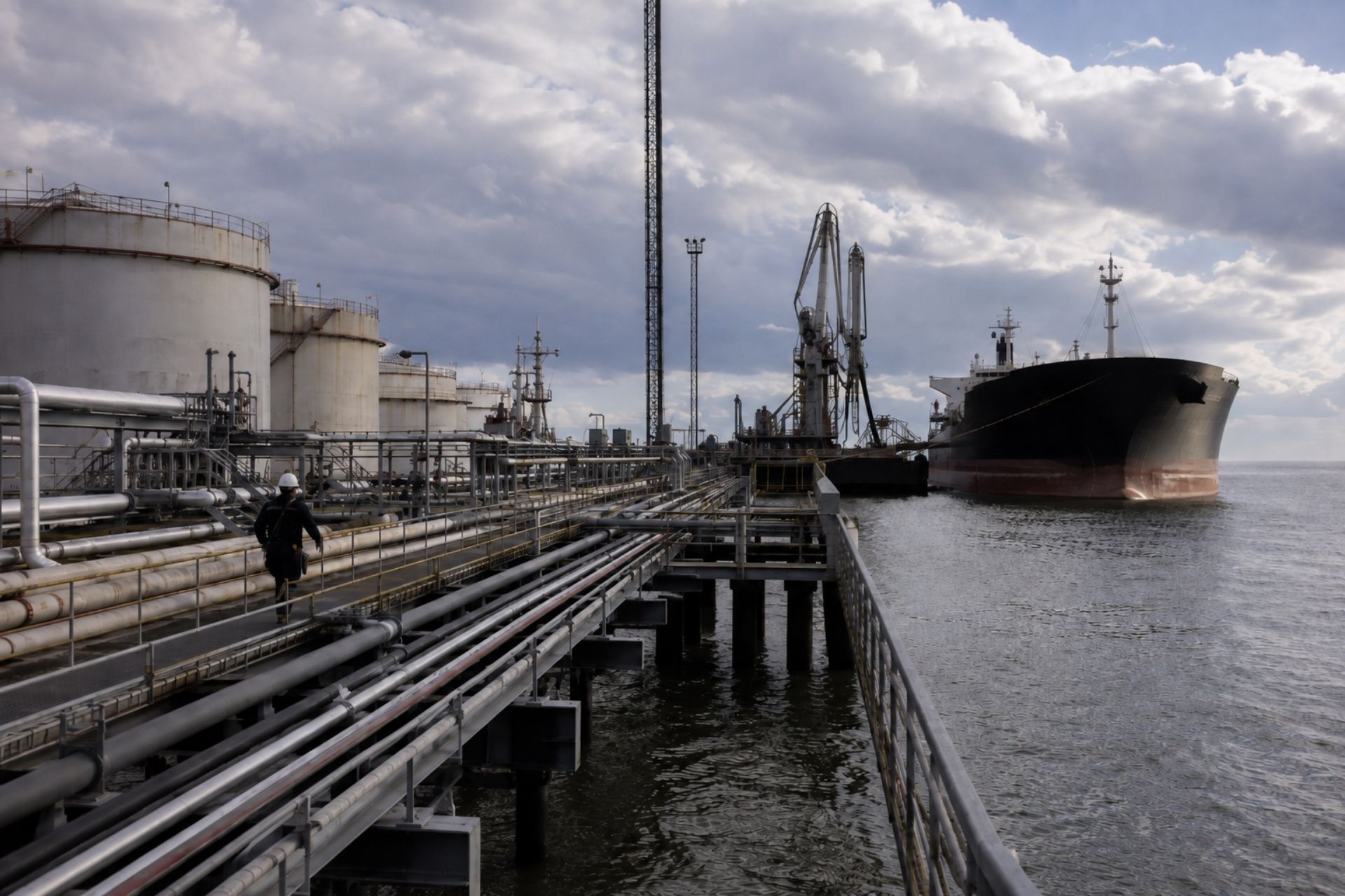
Offshore operations concentrate massive values in remote, hostile environments. A single platform might cost $2 billion to construct, employ 150 workers, and produce 100,000 barrels daily. When something goes wrong, response times are measured in hours rather than minutes, and weather windows can delay critical interventions.
Onshore operations present different challenges. Wells are scattered across large lease areas, often near populated communities. Pipeline networks create linear exposure to third-party damage and environmental releases. Permitting requirements vary dramatically between jurisdictions, and surface owner relations add complexity that offshore operators rarely encounter.
Core Components of Upstream Insurance Coverage
Control of Well (OEE) Protection
Operators' Extra Expense coverage, commonly called control of well insurance, responds when a well loses containment. This includes the costs of regaining control: specialized well control contractors, relief well drilling, equipment mobilization, and the technical expertise needed to stop an uncontrolled flow.
OEE policies typically cover expenses incurred until the well is killed and secured. Some forms extend to redrilling costs when the original wellbore becomes unusable. Limits often range from $50 million for conventional onshore wells to $500 million or more for deepwater operations. Deductibles vary based on well type, depth, and operator experience.
Physical Damage to Assets and Infrastructure
Property coverage for upstream assets requires specialized forms that recognize the unique nature of E&P equipment. Standard commercial property policies exclude drilling rigs, production platforms, and subsea infrastructure. Upstream property forms provide named-peril or all-risk coverage for these specialized assets.
Coverage typically includes drilling rigs, production equipment, platforms, pipelines within lease boundaries, and associated facilities. Valuation methods matter significantly: replacement cost coverage ensures adequate funds for rebuilding, while actual cash value policies depreciate older assets. Windstorm coverage for Gulf of Mexico operations requires careful attention to sublimits and deductibles.
Comprehensive General Liability and Pollution
General liability coverage protects against third-party bodily injury and property damage claims arising from E&P operations. This includes injuries to contractor employees, damage to neighboring properties, and claims from surface owners affected by operations.
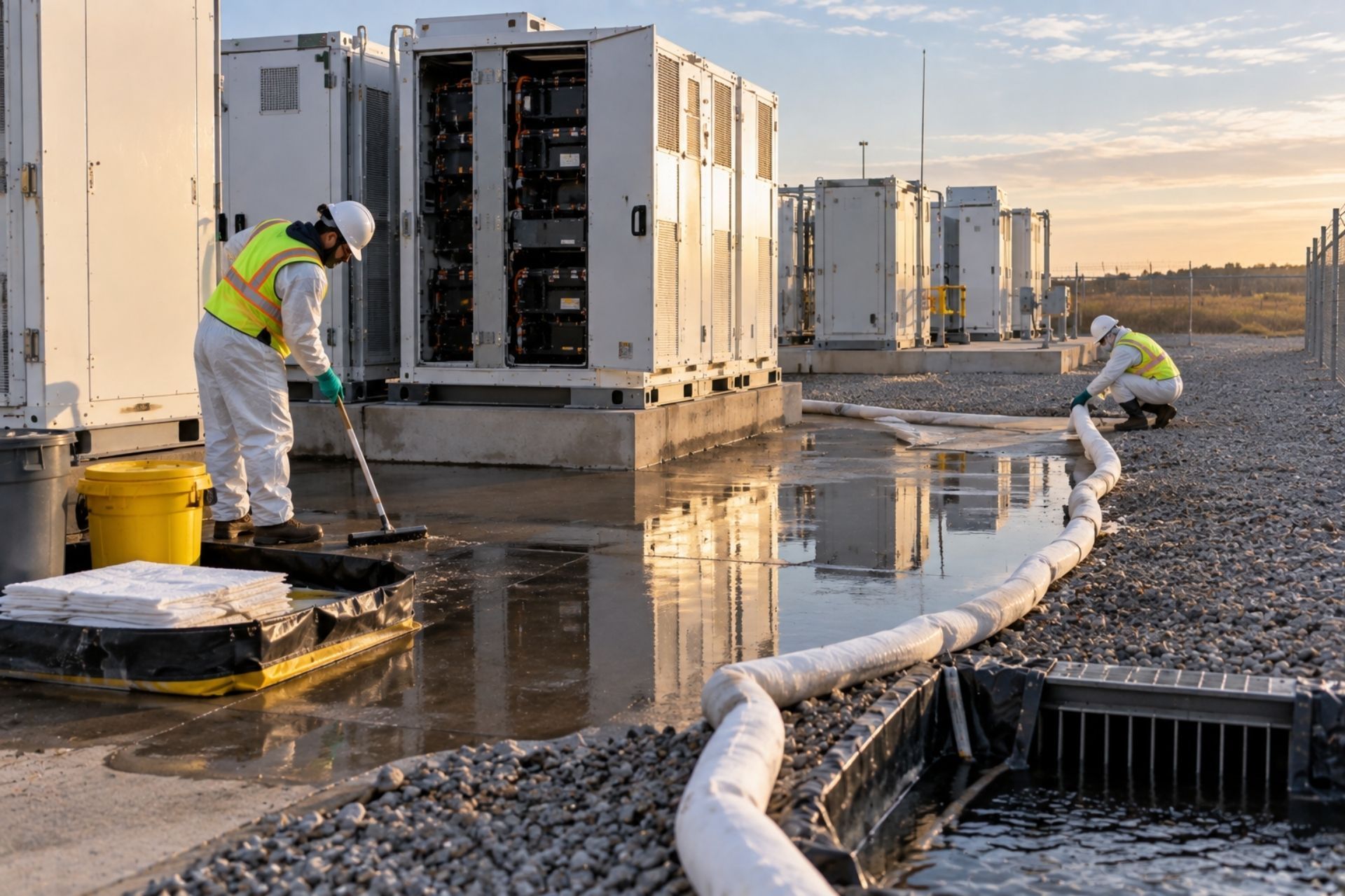
Pollution coverage deserves special attention. Standard CGL policies exclude pollution, requiring separate coverage through environmental impairment liability or pollution legal liability forms. These policies respond to both sudden releases and gradual contamination, covering cleanup costs, third-party claims, and natural resource damages.
| Coverage Type | What It Covers | Typical Limits | Common Exclusions |
|---|---|---|---|
| Control of Well | Well control costs, relief drilling | $50M - $500M | Underground blowout, deliberate acts |
| Physical Damage | Rigs, platforms, equipment | Replacement cost | Wear and tear, corrosion |
| General Liability | Third-party injury, property damage | $1M - $25M | Pollution, contractual liability |
| Pollution Liability | Cleanup, third-party pollution claims | $10M - $100M | Known conditions, intentional discharge |
Mitigating Business Interruption and Financial Loss
Loss of Production Income (LOPI)
Physical damage to production facilities creates immediate revenue loss that can exceed the property damage itself. Loss of production income coverage replaces the net revenue stream interrupted by covered physical damage. Policies typically specify a waiting period before coverage begins and a maximum indemnity period.
Calculating LOPI values requires careful analysis of production rates, commodity prices, and operating costs. Many operators use a gross earnings approach, while others prefer the selling price less saved costs method. Getting this calculation wrong leaves companies either underinsured or paying premiums for coverage they don't need.
Delay in Start-Up (DSU) for New Projects
New development projects face different timing risks than producing assets. Delay in start-up coverage protects against revenue loss when project completion is delayed by covered physical damage during construction. This coverage proves critical for projects with debt service obligations or contractual delivery commitments.
DSU policies require careful coordination with construction all-risk coverage. The trigger is typically physical damage that delays mechanical completion or first production. Waiting periods and indemnity periods must align with project economics and financing requirements.
Navigating Environmental and Regulatory Liabilities
Decommissioning and Abandonment Obligations
Regulatory requirements mandate that operators plug wells and remove facilities at the end of productive life. These obligations follow the asset regardless of ownership changes, creating long-tail liabilities that can surface decades after production ceases. Decommissioning cost estimates for deepwater facilities routinely exceed $100 million.
Insurance solutions for decommissioning obligations remain limited. Some operators use captive insurance structures to fund future liabilities, while others rely on surety bonds or letters of credit. The key risk is regulatory inflation: requirements that become more stringent over time, increasing costs beyond original estimates.
Seepage, Pollution, and Contamination Remediation
Gradual pollution from historic operations presents significant liability exposure. Produced water disposal, drilling mud pits, and tank battery releases can contaminate soil and groundwater over decades. When contamination is discovered, operators face cleanup obligations regardless of when the release occurred.
Pollution liability policies increasingly exclude legacy contamination, focusing instead on new releases from current operations. Operators with historic liabilities may need specialized coverage or self-insurance programs to address these exposures.
Strategic Risk Management and Policy Procurement
Determining Appropriate Retention and Limits
Selecting appropriate deductibles and policy limits requires balancing premium costs against financial risk tolerance. Higher retentions reduce premiums but increase out-of-pocket exposure for smaller losses. The goal is transferring catastrophic risk while retaining manageable losses.
Limit adequacy analysis should consider worst-case scenarios, not average losses. A deepwater operator might experience dozens of minor incidents annually but face a potential billion-dollar loss from a single blowout. Insurance programs should address the catastrophic exposure that could threaten company survival.
The Role of Captives and Mutuals in E&P
Many E&P companies use captive insurance subsidiaries to retain predictable losses while accessing reinsurance markets for catastrophic coverage. Captives provide flexibility in coverage design, potential tax advantages, and direct access to reinsurance capacity.
Industry mutuals like Oil Insurance Limited offer another alternative. These member-owned insurers provide coverage at cost, returning underwriting profits to policyholders. Membership typically requires meeting safety and operational standards, creating incentives for loss prevention.
Future Trends in Energy Sector Underwriting
The upstream insurance market faces significant evolution as the energy transition reshapes the industry. Insurers increasingly scrutinize environmental, social, and governance factors when underwriting E&P risks. Some markets have withdrawn from fossil fuel coverage entirely, reducing available capacity.
Cyber risk presents growing exposure as production systems become more automated and connected. A successful attack on SCADA systems could cause physical damage, environmental releases, and production losses. Traditional policies may not clearly address these hybrid risks.
Climate change affects both the physical risks and the insurance market's appetite for upstream coverage. Increased storm intensity in the Gulf of Mexico drives higher windstorm premiums and deductibles. Wildfire exposure affects onshore operations in western producing regions.
Frequently Asked Questions
What's the difference between OEE and blowout coverage? OEE covers the costs of regaining well control, while blowout coverage typically refers to liability for third-party damages caused by the blowout. Most comprehensive programs include both.
Does standard property insurance cover drilling rigs? No. Drilling rigs require specialized upstream property forms. Standard commercial property policies specifically exclude mobile drilling equipment and offshore structures.
How are pollution claims typically handled? Pollution claims involve both cleanup costs and third-party damages. Coverage responds based on whether the release was sudden or gradual, with different policy forms addressing each scenario.
What triggers loss of production income coverage? LOPI coverage requires physical damage to covered property that interrupts production. Market-driven shutdowns or regulatory curtailments typically don't trigger coverage.
Are cyber attacks covered under upstream policies? Coverage varies significantly between policies. Some forms include cyber as a covered peril, while others exclude it entirely. Dedicated cyber coverage may be necessary for comprehensive protection.
Making Smart Coverage Decisions
Upstream energy insurance requires specialized knowledge that general commercial brokers rarely possess. Working with brokers who understand drilling operations, production systems, and the unique hazards of E&P activities ensures coverage that actually responds when losses occur. Review your program annually, update values as operations change, and stress-test coverage against realistic loss scenarios. The premium you pay matters far less than having adequate protection when a well blows out or a platform sustains major damage.
Search by posts
Recent posts