Why Tank Farms Require a Different Insurance Approach than Other Facilities
See How We're Different
Or Call Us: (281) 823-8262

A single tank farm at the edge of a town can hold enough fuel or chemicals to keep a region running, or to create a costly environmental disaster if something goes wrong. Valves stick, gauges fail, a driver opens the wrong hatch, and what started as a routine transfer can turn into a slow leak that no one notices until a neighbor’s well tests positive for contamination. At that point, standard insurance for property and general liability often proves painfully inadequate.
The scale of this risk is easy to overlook. Across the country, more than five hundred forty two thousand underground storage tanks are subject to federal financial responsibility rules, which exist precisely because a single leak can create long tail cleanup and third party claims that would bankrupt many owners. Tank farms concentrate that exposure even more than stand alone tanks, which is why they demand a very different insurance strategy than most facilities.
What Makes A Tank Farm Different From Other Facilities
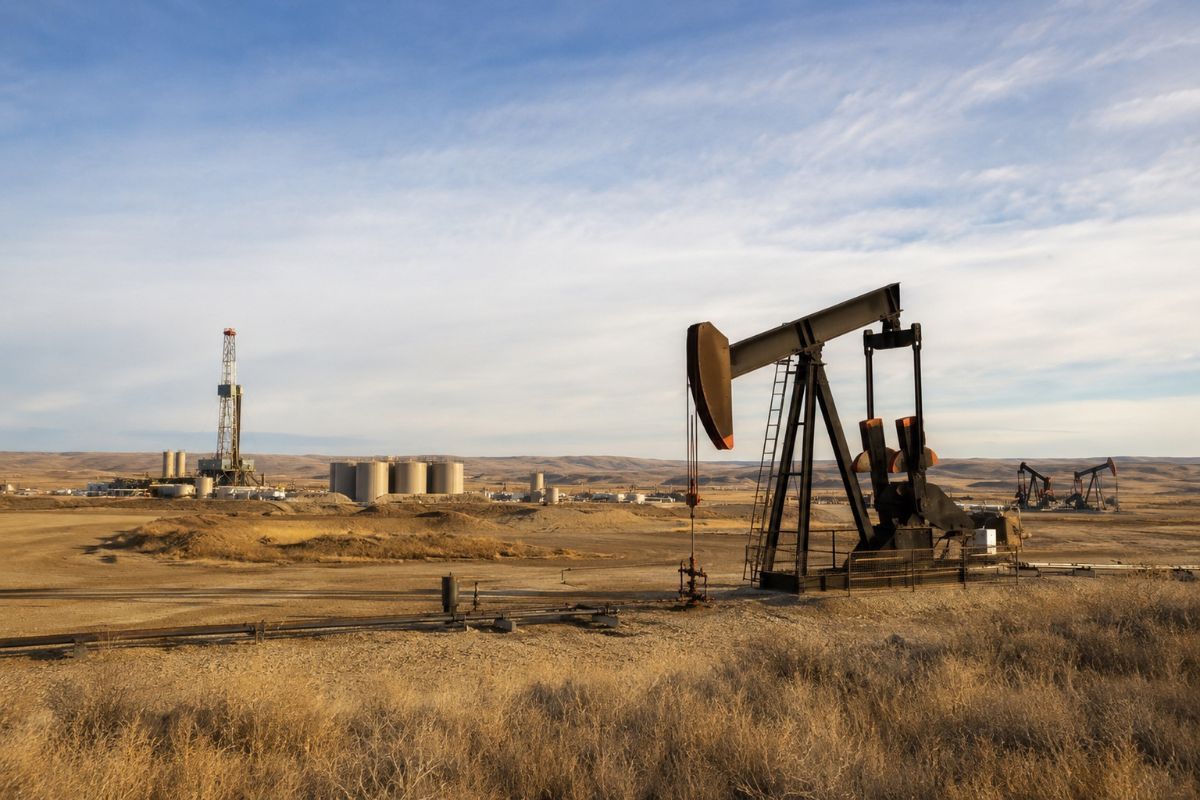
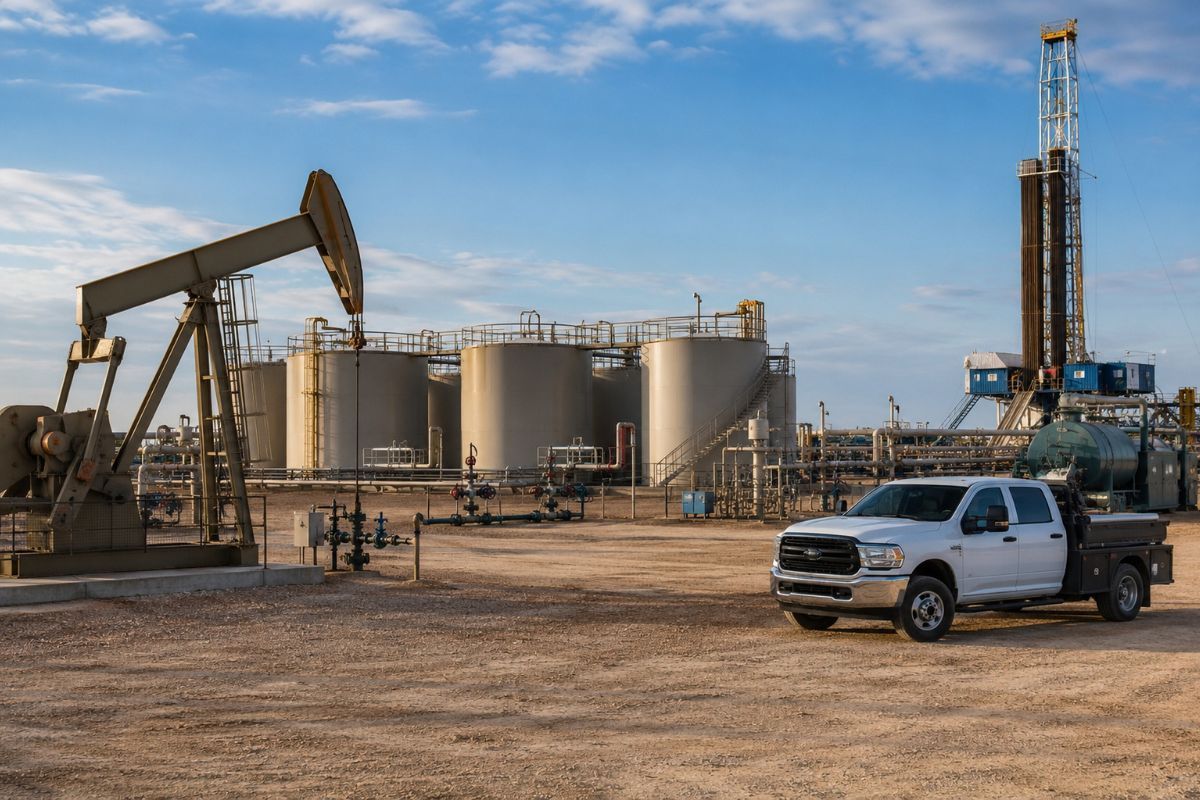
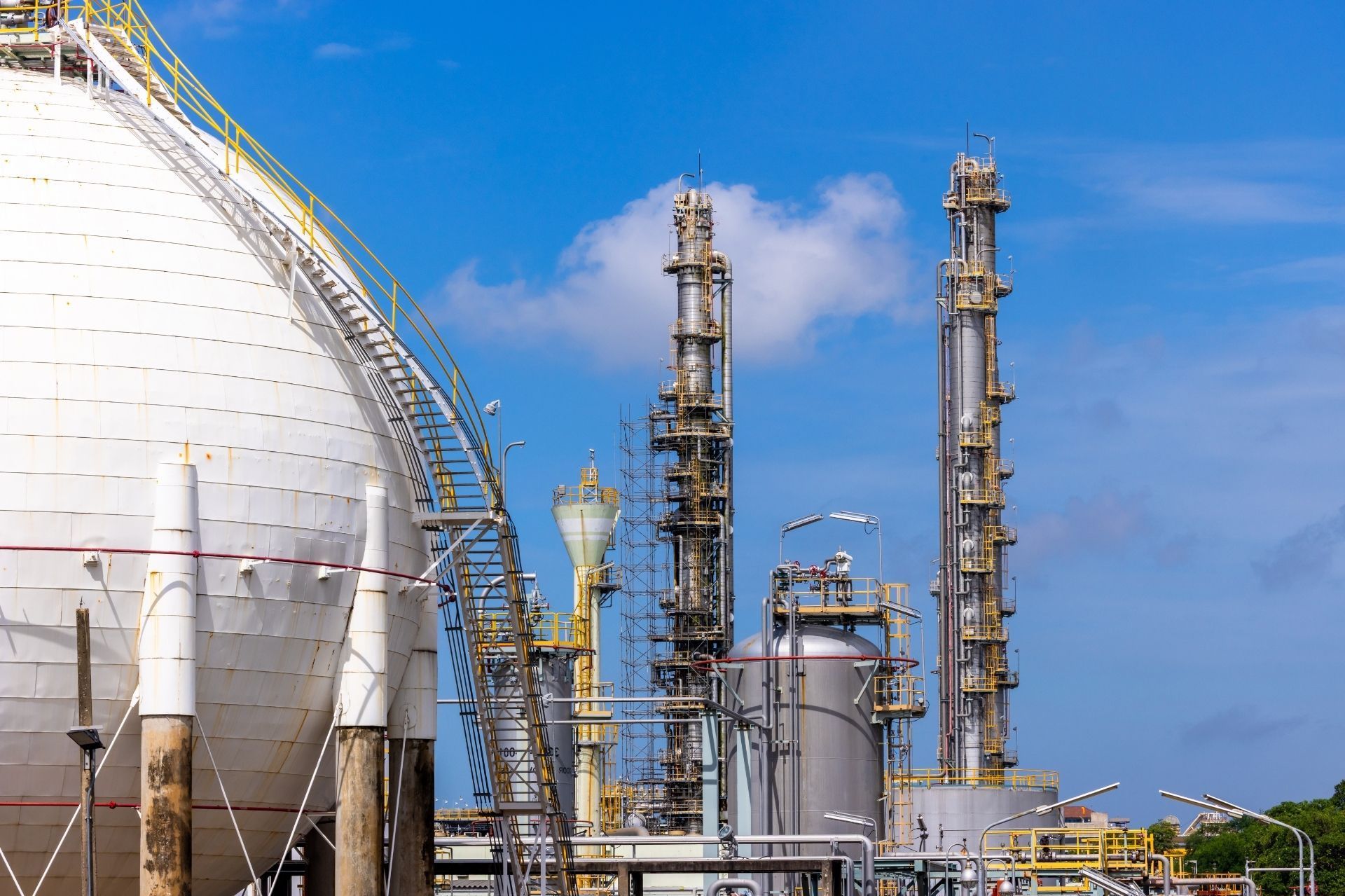
From the outside, a tank farm can look like a simple cluster of aboveground or underground tanks, pumps, and piping. For insurance purposes, though, it behaves less like a warehouse and more like a complex high hazard system. The main difference lies in aggregation. A warehouse spreads value across pallets and racks. A tank farm gathers large quantities of potentially toxic or flammable material into a tightly connected network, where a failure in one spot can quickly involve multiple tanks, shared lines, and common containment.
The operating profile is also different. Many factories store raw materials or finished products for relatively short periods. Tank farms often act as regional hubs where product is constantly transferred in and out, through shipping connections, truck racks, or rail sidings. Each transfer brings loading and unloading exposures, human factors, and equipment stress that do not exist in a basic storage building. Insurers look carefully at these movement patterns, because every hose connection and every valve cycle adds to the probability of a spill.
There is a growth story in the background as well. One global report from a specialty wholesaler projects the storage tank market to expand at a steady rate of four point eight percent through the year two thousand twenty five, driven in large part by oil and gas activity. As more tanks are built to handle that demand, tank farms become larger and more interconnected, and the potential financial impact of a failure increases. Insurers cannot treat these locations as just another line item on a property schedule, because the loss scenarios look very different from a typical building fire or slip and fall claim.
Why Standard Property And Liability Policies Fall Short
Most businesses start with a familiar insurance package: property coverage for buildings and equipment, and commercial general liability for bodily injury and property damage to others. That template works reasonably well for offices, retail spaces, and many light industrial shops. It breaks down quickly when applied to a tank farm. The core problem is contamination. Standard property policies focus on physical damage to insured assets. They are often silent, restrictive, or exclusionary when it comes to pollution cleanup, particularly when contamination seeps into soil or groundwater beyond the site boundary.
General liability policies present a similar challenge. Many contain pollution exclusions or tight sublimits that carve out the very events operators worry about: a slow leak that migrates under a neighboring property, vapors that affect nearby residents, or fuel that reaches a storm drain and travels offsite. The resulting regulatory orders, cleanup bills, and third party claims for diminished property value can continue for years after the initial incident, far beyond what a basic liability policy is designed to support.
Regulation adds another layer. Federal financial responsibility requirements for underground tanks prompted strong pushback from gasoline retailers and small business advocates, which led many legislatures to create state backed financial assurance funds for leaks, as described in a policy study examining the history of these programs. Those funds can help, but they are not full substitutes for well structured insurance. They may apply only to certain tank types, exclude aboveground systems, or limit how much they will pay, and they often do not address broader business interruption or reputational damage that comes with a high profile spill.
Key Insurance Coverages Tank Farms Need
A tank farm program usually has more moving parts than the insurance for a typical manufacturing plant or distribution center. Instead of relying on one or two broad policies, owners often combine specialized environmental and operational coverages. The goal is to line up the policy language with how tanks are actually used, how product moves, and what could realistically go wrong.
Storage Tank Liability And Pollution Legal Liability
The backbone for most tank farms is dedicated storage tank liability or broader pollution legal liability coverage. These policies are meant to pick up cleanup costs, third party bodily injury, and property damage arising from sudden or gradual releases of covered substances. Unlike general liability forms, they are built around contamination scenarios, including long term leaks discovered years after they begin.
Coverage details matter. Underwriters will look at whether tanks are aboveground or underground, what secondary containment exists, and how quickly an operator can detect and stop a leak. A strong policy should respond not only to obvious catastrophic spills, but also to smaller releases that still trigger regulatory attention and neighborhood concern. Many owners choose to schedule both tanks and associated piping, so that problems in a line between tanks or at a loading rack are clearly within the insuring agreement.
First Party Cleanup And Corrective Action Costs
Another key piece is coverage for first party cleanup on the insured’s own site. Property policies may respond to debris removal after a fire, yet they rarely address the cost of excavating contaminated soil, treating groundwater, or operating long term monitoring wells. Specialized environmental policies can include these corrective action expenses as covered costs, often subject to cooperation with regulators and adherence to approved remediation plans.
Tank farm operators should pay attention to triggers. Some policies require a legal mandate, such as a written directive from an environmental agency, before cleanup costs are covered. Others may respond when a pollution condition first becomes known or when it creates a threat of harm. Aligning these triggers with how regulators behave in the relevant jurisdiction helps avoid painful coverage disputes later.
Third Party Liability For Offsite Impacts
When contamination crosses a property line, the risk profile changes. Neighbors can allege loss of well water, reduced property value, or health concerns related to vapors or fumes. Municipalities might sue for damage to public resources or infrastructure if fuel reaches sewers or waterways. Third party liability coverage under environmental forms is what protects the tank farm’s balance sheet in these situations.
Insurers evaluate not just what is stored, but who and what surround the site. A tank farm in a remote industrial area presents a different exposure than one near residences, schools, or sensitive natural areas. The coverage strategy should reflect that reality. Higher limits, broader offsite transport protection, and careful attention to defense cost provisions become more important as potential claimants increase.
Business Interruption And Extra Expense
Spills do not only create cleanup and liability claims. They can shut down operations, interrupt supply chains, and force costly workarounds. Standard business interruption coverage is often tied to direct physical loss from a covered peril, which may not neatly fit a contamination event. Many environmental policies now offer business interruption and extra expense extensions tailored to pollution incidents, providing income replacement when regulators or safety concerns require a temporary shutdown.
For tank farms that serve as critical hubs for distributors, agricultural operations, or industrial customers, this coverage can mean the difference between surviving a major spill and losing key contracts. Extra expense provisions help pay for temporary storage, alternative transportation routes, or outsourcing while remediation takes place, keeping customers supplied even when normal facilities are out of service.
Auto, Transport, And Contractor Exposures
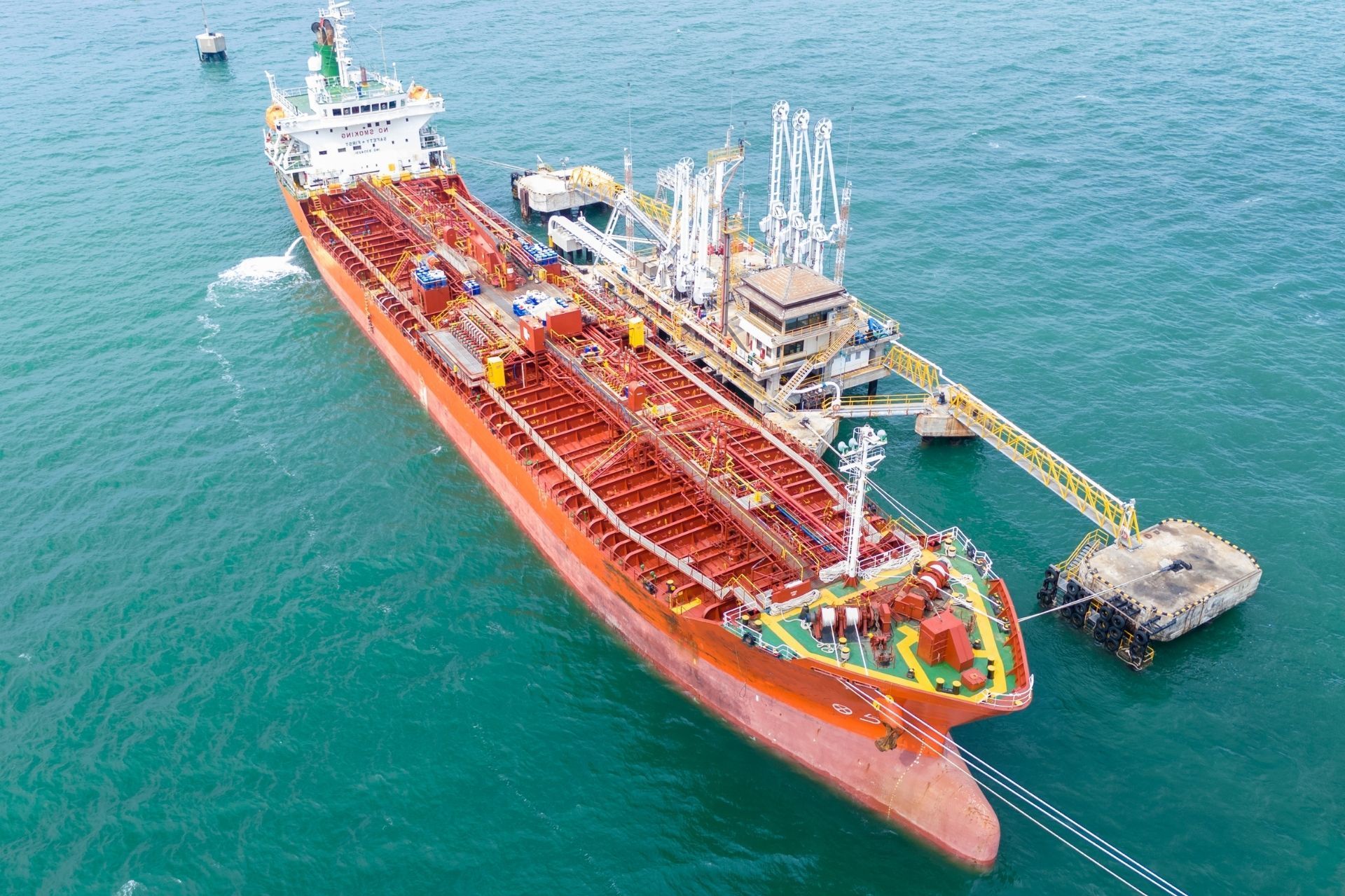
Tanks do not fill or empty themselves. Tank farms often rely on fleets of transport trucks, independent carriers, or rail partners. Spills during loading or unloading at the farm, or during transit to and from the site, can fall into a gray area between auto liability, general liability, and environmental coverage. A comprehensive insurance approach coordinates these pieces so there are no gaps when product is in motion.
Contractor activities add another dimension. Maintenance contractors, cleaning crews, and construction firms work on tanks, lines, and containment systems. If their work leads to a release, the tank farm will want recourse under the
contractor’s insurance, but may still face first party cleanup obligations. Clear contracts, strong vendor requirements, and compatible insurance limits for all parties are essential underpinnings of a sound program.
How Underwriters Evaluate Tank Farm Risk
Insurers that specialize in storage tanks spend more time on the details of design, age, and maintenance than they do for many other facilities. Construction type, corrosion protection, leak detection, and overfill prevention systems all come under the microscope. Age is a major concern. As one environmental brokerage leader explains, owners have to recognize that as tanks become older, the risk of a leak increases significantly. An underwriter will weigh not just chronological age, but also operating history and whether equipment has been upgraded or relined.
Loss control visits are common. Underwriting teams often send specialists to inspect the site, review records, and observe how operators actually handle product. One underwriting executive described this approach simply: they focus on loss control and inspections, verifying that the equipment is installed and operating according to manufacturer instructions. That hands on assessment feeds directly into pricing, deductibles, and terms.
Documentation also matters. Insurers will ask for recent inspection reports, tightness tests, cathodic protection surveys, and evidence of staff training. They want to see written procedures for startup, shutdown, transfer operations, and emergency response. Facilities that can provide organized, up to date records of preventive maintenance and regulatory compliance usually find it easier to negotiate favorable terms than those that scramble to piece together documentation at renewal time.
Risk Management Strategies That Lower Insurance Costs
Insurance for a tank farm does not exist in a vacuum. It sits on top of operational risk controls that either make underwriters comfortable or keep them up at night. Owners who invest in strong engineering and procedural safeguards often see that effort reflected in their premiums, coverage breadth, or deductibles. The most effective strategies are rarely exotic. They are usually consistent attention to basics, applied every day.
Engineering controls form the first line of defense. Double wall tanks, robust secondary containment, automatic shutoff valves, and reliable high level alarms reduce the likelihood that a single failure will turn into a release. Continuous leak detection, whether through interstitial monitoring, line testing, or observation of sumps and wells, shortens the time between a problem starting and someone noticing. Underwriters take a favorable view of facilities that layer these protections in a thoughtful way rather than relying on a single barrier.
Operational discipline is just as important. Clear written procedures, regular operator training, and realistic drills for spill response help ensure that people react quickly and correctly when something looks wrong. Incident investigation and near miss reporting allow a tank farm to learn from small problems before they become large ones. When owners integrate those lessons into updated procedures and training, they demonstrate a culture of continuous improvement that resonates with both regulators and insurers.
Frequently Asked Questions About Tank Farm Insurance
Why is tank farm insurance more complicated than insurance for a regular warehouse?
A warehouse mainly faces fire, theft, and slip and fall risks, while a tank farm concentrates large volumes of potentially hazardous liquids that can contaminate soil, groundwater, and surrounding properties. That contamination potential, and the long duration of cleanup and legal claims, drives the need for specialized environmental policies beyond standard property and liability coverage.
Do state tank funds mean I can buy less insurance?
State financial assurance funds for underground tanks are helpful, but they usually come with limits, eligibility rules, and exclusions. They may not fully cover all cleanup costs, business interruption, or third party lawsuits, so most tank farm operators still need dedicated environmental insurance to protect their own balance sheet.
Are aboveground tanks really safer from an insurance standpoint?
Aboveground tanks can be easier to inspect and repair, which is attractive to underwriters, but they also present fire and spill risks if containment or overfill controls fail. Insurers look at the whole system, including tank construction, foundations, diking, leak detection, and emergency response, rather than assuming that aboveground automatically means low risk.
Can my general liability policy cover small spills at my tank farm?
Some general liability policies offer limited coverage for sudden and accidental pollution events, yet many contain broad pollution exclusions or tight sublimits. For a tank farm, even a seemingly small release can lead to expensive mitigation and neighbor claims, so relying solely on general liability is usually a gamble.
What information will insurers want when I apply for tank farm coverage?
Insurers typically ask for a detailed tank schedule, age and construction of each tank, descriptions of secondary containment and leak detection, spill history, and copies of inspection and maintenance records. They may also request site maps, emergency response plans, and evidence of staff training so they can build a clear picture of the overall risk.
Final Thoughts For Tank Farm Owners And Managers
Tank farms sit at the intersection of commerce, regulation, and community concern. When something goes wrong, owners do not just face the cost of lost product or damaged equipment. They face regulators, neighbors, and sometimes the media, all demanding quick action and long term solutions. Recent market analysis notes that the average fine for noncompliance with tank regulations has reached up to fifty thousand dollars per incident in some cases, which is only a fraction of what a serious cleanup and third party claim can cost.
A tailored insurance program will not prevent spills, but it can keep a bad day from becoming a multi year financial crisis. Owners who treat insurance as part of an integrated risk management plan, who engage with underwriters transparently, and who continue to invest in equipment, training, and documentation, put themselves in the strongest position. The key is to recognize that a tank farm is not just another facility on the policy schedule. It is a unique concentration of environmental and operational risk, and it deserves coverage designed with that reality in mind.
Search by posts
Recent posts