

Across the United States, an estimated 3.4 million orphaned and abandoned oil and gas wells sit idle, leaking methane, contaminating groundwater, and creating financial sinkholes for anyone connected to them. If you're an operator winding down production or a landowner who inherited property with old wells on it, the liability exposure is real and growing. Federal plugging programs have made progress, but the pace of well plugging still trails the scale of the problem, and regulatory pressure is tightening at the state level. Understanding your insurance options for orphaned well liability isn't optional: it's essential for protecting your finances, your land, and your operations. The cost of plugging a single well can range from $25,000 to over $300,000 depending on depth and location, and that doesn't include environmental remediation if contamination has already spread. Standard commercial general liability policies almost never cover pollution from abandoned wells, which means you're likely exposed right now if you haven't sought specialized coverage. This guide breaks down the specific insurance products, regulatory requirements, and practical strategies that operators and landowners need to manage orphaned well risk in 2026.
Understanding the Risks of Orphaned Well Liability
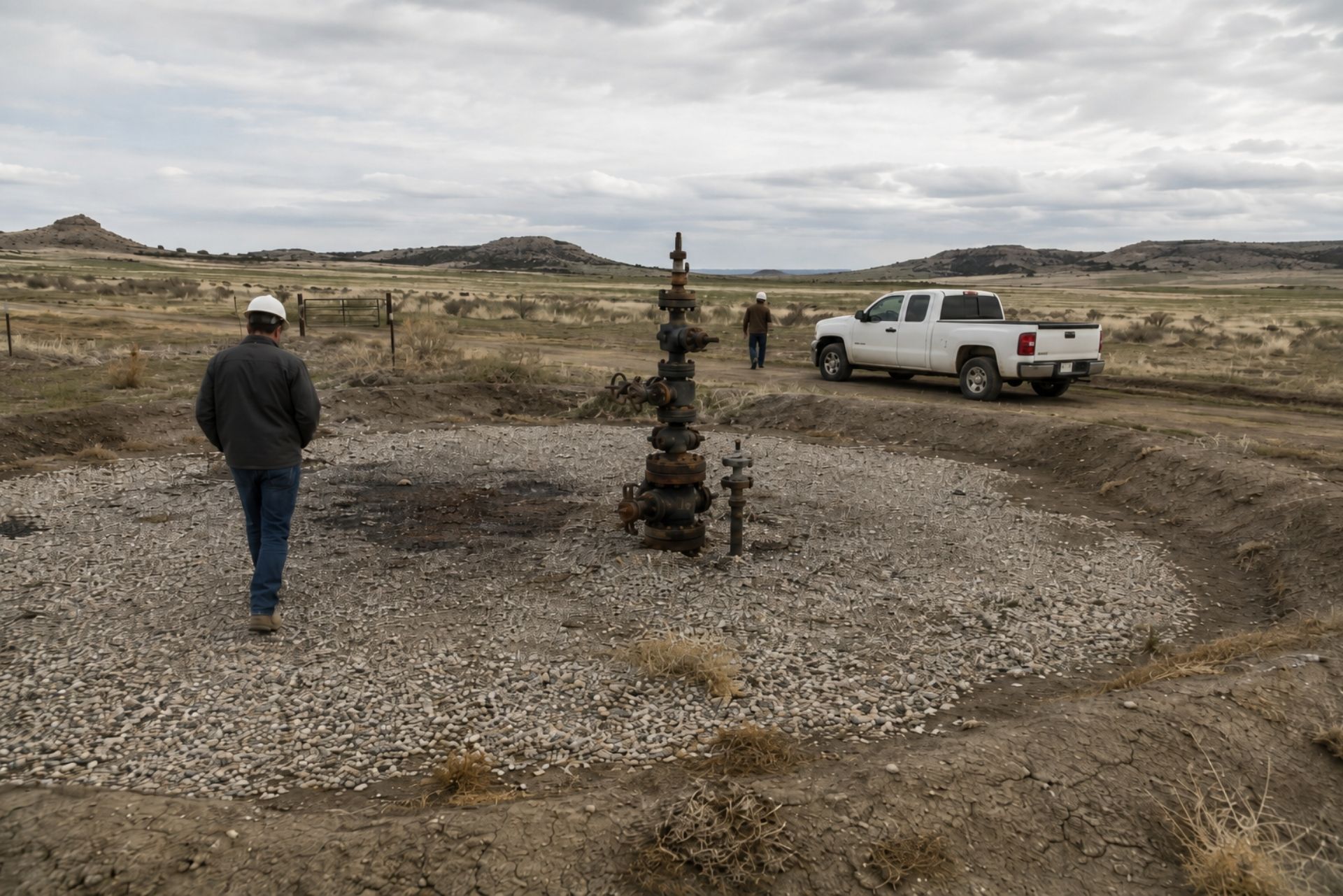
Orphaned wells are oil or gas wells with no solvent, responsible operator on record. They're left behind when companies go bankrupt, dissolve, or simply walk away. The scale of this crisis touches nearly every oil-producing state, and the financial fallout doesn't stop at the wellhead.
For operators still holding assets, the risk is that marginally productive wells can slip into orphan status if they're not properly plugged and abandoned before a company exits. For landowners, the risk is inherited: you may own surface rights or even mineral rights on land where someone else drilled decades ago, and now the cleanup bill lands on your doorstep.
Environmental and Safety Hazards
Orphaned wells leak methane, hydrogen sulfide, and brine into surrounding soil and water. A single unplugged well can contaminate an aquifer that serves an entire rural community. Surface-level hazards include wellhead collapses, soil subsidence, and exposed equipment that creates injury risk for anyone on the property.
These aren't hypothetical scenarios. States like Pennsylvania, Texas, and Oklahoma have documented thousands of cases where orphaned wells caused measurable environmental damage. The remediation costs in these situations often exceed the value of the land itself, making insurance protection a financial necessity rather than a nice-to-have.
Legal and Financial Obligations for Landowners
Many landowners don't realize they can be held liable for contamination originating from wells on their property, even if they never operated those wells. State environmental agencies can issue cleanup orders to current property owners under various "innocent landowner" statutes, though protections vary significantly by state.
If you purchased land with existing wells, your due diligence at the time of sale matters. Some states hold successive landowners responsible for pre-existing contamination if they failed to investigate known risks. Vacant land liability coverage can address some third-party injury claims, but it typically excludes pollution, which is where specialized policies come in.

CONTACT INFORMATION
Phone
Location
9595 Six Pines Dr, Suite 8210, The Woodlands, TX 77380
Authorized to Serve Clients
BERIS International is fully licensed and permitted to sell energy, oil, and gas insurance in Texas.
We proudly serve clients across multiple states and maintain strong relationships with specialized insurance carriers to ensure that high-risk oil, gas, energy, and industrial operations receive compliant, tailored, and all-risk coverage suited to their unique exposures.
Standard commercial insurance leaves major gaps for orphaned well exposure. You need purpose-built products that address pollution, regulatory compliance, and the unique risks of idle or abandoned well infrastructure. Here are the three primary coverage categories worth evaluating.
Pollution Legal Liability (PLL) Policies
PLL policies are the workhorse of orphaned well coverage. They cover third-party bodily injury and property damage from pollution events, cleanup costs ordered by regulatory agencies, and legal defense expenses. Most PLL policies are claims-made, meaning they respond to claims filed during the policy period regardless of when the contamination began, as long as the pollution was unknown at policy inception.
One critical detail: PLL policies for well sites often require an environmental site assessment before the insurer will bind coverage. If the assessment reveals existing contamination, the insurer may exclude that specific condition or decline coverage altogether. Getting a PLL policy in place before contamination is discovered is far more cost-effective than trying to secure coverage after the fact.
Surety Bonds and Financial Assurance
Most oil-producing states require operators to post surety bonds or other financial assurance before drilling. These bonds guarantee that plugging and abandonment obligations will be met. However, bond amounts set by state regulators are often far too low to cover actual cleanup costs, sometimes covering only a fraction of what proper plugging requires.
Blanket bonds, which cover multiple wells under a single instrument, can reduce per-well costs but also concentrate risk. If an operator defaults, the bond amount may not stretch across all the wells it's supposed to cover. Operators should treat bonding as a regulatory minimum, not a complete risk transfer strategy.
Control of Well Insurance
Control of well (COW) policies cover the costs associated with regaining control of a well after a blowout, cratering, or uncontrolled flow event. While these policies are more commonly associated with active drilling operations, they're relevant for orphaned well scenarios where wellbore integrity has degraded over time.
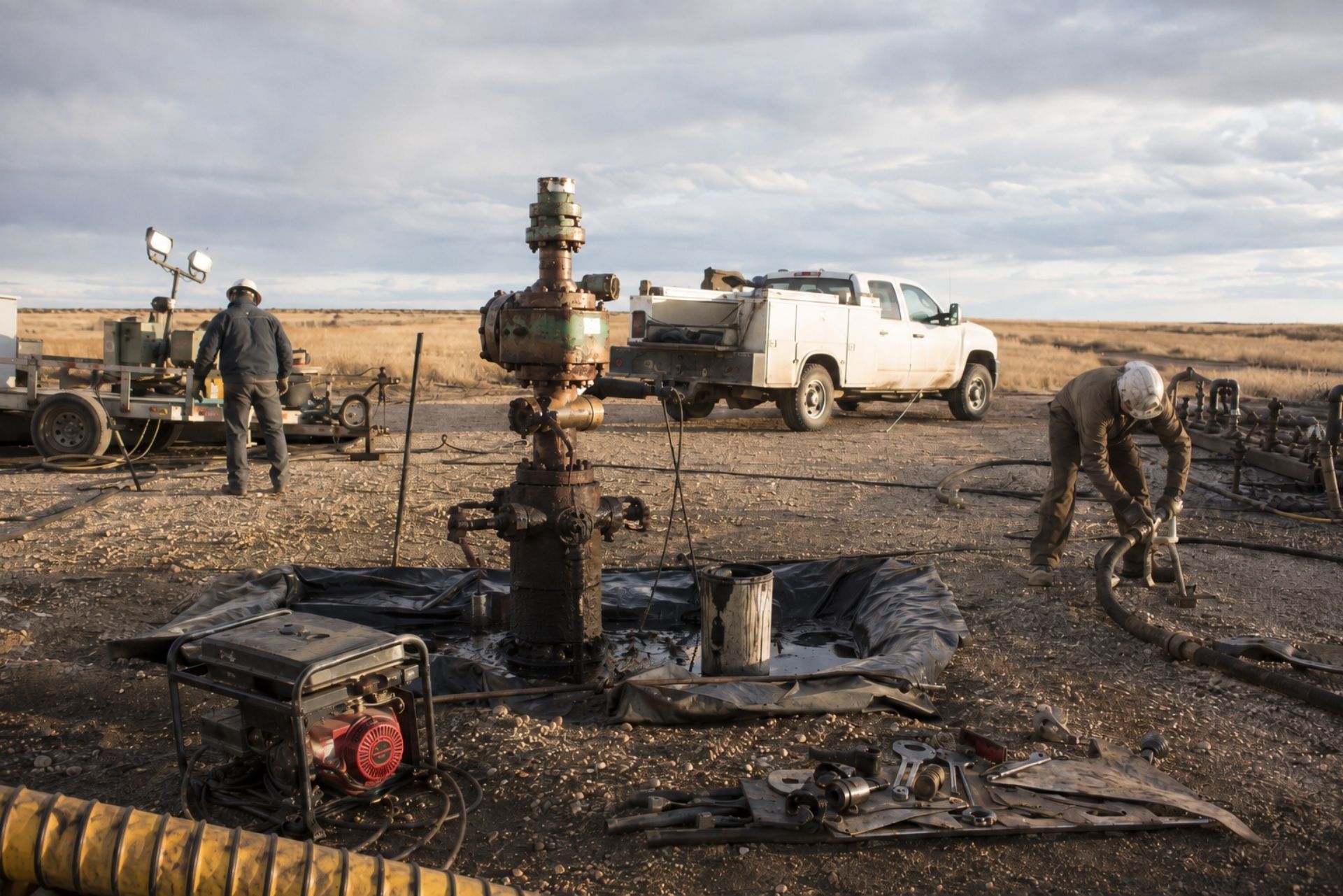
A well that hasn't been maintained for years can experience casing failures, allowing pressurized fluids to migrate to the surface. COW coverage can pay for
well kill operations, re-drilling relief wells, and pollution cleanup resulting from the loss of well control. Premiums depend on well depth, location, and the operator's loss history.
Comparison of Liability Protection Levels
Not all coverage options offer the same depth of protection. This table compares the three primary products across key dimensions:
| Feature | Pollution Legal Liability (PLL) | Surety Bonds | Control of Well (COW) |
|---|---|---|---|
| Covers third-party claims | Yes | No (regulatory compliance only) | Limited to well control events |
| Covers cleanup costs | Yes | Partial (up to bond amount) | Yes, if tied to loss of control |
| Covers legal defense | Yes | No | Varies by policy |
| Typical limits | $1M to $25M+ | $25K to $250K per well | $5M to $50M+ |
| Trigger | Claims-made | Operator default | Well control emergency |
| Best for | Landowners and operators | Regulatory compliance | Active or recently idled wells |
The takeaway here is that no single product covers everything. Most operators and landowners with significant orphaned well exposure need a combination of PLL coverage and bonding at minimum, with COW insurance added for wells that still have pressure or integrity concerns.
How Regulatory Shifts Are Changing Coverage Needs
The regulatory environment around orphaned wells is shifting fast, and those changes directly affect your insurance requirements. The "One Big Beautiful Bill Act" (OBBBA) has postponed the federal methane waste emissions charge, which was scheduled to reach $1,500 per ton. This delay in methane fee implementation reduces near-term compliance costs for operators but doesn't eliminate long-term liability.
At the same time, the Interior Department has proposed weakened drilling rules for public lands, which could reduce bonding requirements and oversight. While that may lower upfront costs for operators, it increases the chance that more wells end up orphaned, pushing risk onto landowners and state cleanup funds.
States are stepping in with their own measures to prevent future orphaned wells, including higher bond amounts, stricter transfer requirements, and mandatory plugging timelines. If you operate in multiple states, your insurance program needs to account for these varying requirements.
Every state with oil and gas production has its own bonding and plugging requirements, and they're not converging. Texas requires blanket bonds as low as $25,000 for up to 99 wells, while Colorado now demands individual well bonds that more closely reflect actual plugging costs. Pennsylvania has increased its bonding requirements multiple times since 2022.
Federal requirements apply if you operate on BLM or tribal lands. The updated royalty rules for onshore federal and Indian leases add another layer of compliance. Your insurance broker should be familiar with both state and federal frameworks to ensure your coverage program meets all applicable requirements without gaps.
Working with a specialized energy insurance broker is critical here. These brokers maintain relationships with Lloyd's syndicates and surplus lines carriers that write coverage most retail brokers can't access. They understand attachment points, following form provisions, and the technical underwriting data that insurers need to price orphaned well risk accurately.
Common Questions About Orphaned Well Insurance
Does my standard commercial general liability policy cover orphaned well contamination? Almost certainly not. Standard CGL policies contain absolute pollution exclusions that bar coverage for any contamination event, including gradual releases from abandoned wells. You need a standalone pollution legal liability policy.
I'm a landowner, not an operator. Am I still liable? Potentially, yes. Many states can hold current property owners responsible for contamination cleanup, even if the wells were drilled by a previous owner or lessee. Your exposure depends on state law and the terms of any surface use agreements.
How much does a PLL policy cost for orphaned well exposure? Premiums vary widely based on the number of wells, their condition, location, and surrounding environmental sensitivity. Expect to pay $5,000 to $25,000 annually for a small portfolio of wells, with costs increasing for higher limits or sites with known contamination risk.
Can I buy insurance after contamination has already been discovered? It's much harder and more expensive. Some insurers offer "known conditions" coverage, but premiums will be significantly higher, and the policy may exclude the specific contamination that's already been identified.
What happens if my surety bond doesn't cover the full plugging cost? You're personally responsible for the difference. This is why treating bond amounts as adequate financial protection is a common and costly mistake among small operators.
Why Specialized Energy Brokers Matter
A generalist insurance agent won't have the market access or technical knowledge to properly place orphaned well coverage. Specialized energy brokers work with niche markets, including London-based syndicates and domestic surplus lines carriers, that have dedicated underwriting teams for environmental and well-related risks.
These brokers know that providing high-quality engineering data, such as well integrity reports, plugging cost estimates, and environmental site assessments, is the most effective way to secure favorable terms. If you show up with detailed loss control reports and maintenance histories, underwriters can price your risk more precisely, which typically means lower premiums and broader coverage.
The Financial Case for Proactive Coverage
Waiting until a problem surfaces is the most expensive approach to orphaned well risk. A single contamination event can trigger cleanup costs exceeding $1 million, plus third-party lawsuits, regulatory fines, and property devaluation. Plugging wells proactively represents both a climate solution and an economic opportunity, but the transition period between active production and final plugging is where insurance fills the gap.
Operators who maintain active coverage during this transition protect themselves from the financial shock of unexpected well failures. Landowners who secure PLL policies before selling or developing property with old wells on it protect their equity and avoid deal-killing environmental liabilities during transactions.
Your coverage decisions should be driven by a few concrete factors:
- Well count and condition: More wells and worse condition mean higher premiums, but also greater need for coverage.
- State regulatory requirements: Match your bonding and insurance to the strictest applicable standard.
- Property use plans: If you're developing land with old wells, your lender may require environmental insurance as a condition of financing.
- Historical operations: Wells that produced from deeper formations or used enhanced recovery methods carry higher contamination risk.
- Proximity to sensitive receptors: Wells near water supplies, residential areas, or wetlands face greater scrutiny and higher potential claim values.
Making the Right Choice for Your Property
Insuring orphaned well liability requires a tailored approach because no two well portfolios or land situations are identical. The right coverage combination for a small landowner with two abandoned wells on a rural parcel looks nothing like the program needed by an operator managing 200 idle wells across three states.
Start by getting a current environmental assessment of your wells and property. That assessment drives every underwriting decision and determines which products are available to you. Then engage a specialized energy insurance broker who can access the niche markets where this coverage is written.
The regulatory environment is tightening in most states, and the
energy sector provisions in recent federal legislation create both opportunities and uncertainties. Don't wait for a contamination event or a regulatory enforcement action to force your hand. Secure your coverage now, while you still have options and before the cost of inaction catches up with you.
ABOUT THE AUTHOR: MARK BRALY
As the President and CEO of BERIS International, I’m dedicated to helping oil, gas, and energy businesses protect what matters most. With decades of experience in commercial insurance and risk management, I focus on building strong partnerships and providing reliable coverage solutions that keep high-risk operations secure across all 50 states and 185 countries.
Contact Us
Trusted by Businesses
Feedback that Reflects Service and Reliability
What Our Clients Say
Specialized Knowledge
Insurance for Energy and Oil Sectors
Focused protection for core industries
Oil Field Services
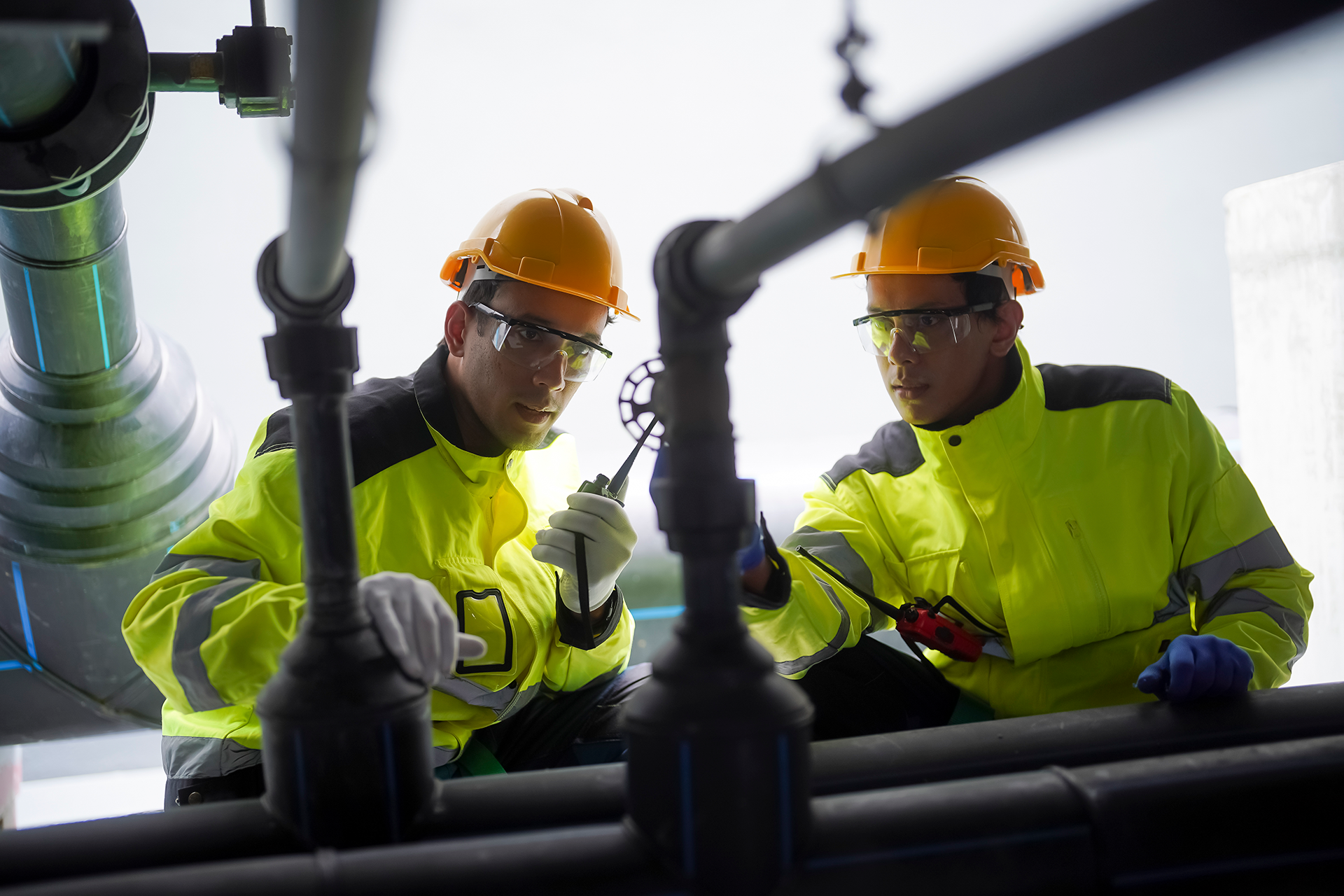
Insurance for companies supporting drilling, production, and maintenance. Protects crews, equipment, and operations from key risks.

Oil Refinery Insurance
Coverage for refineries handling processing, storage, and distribution. Protects against property damage, liability, and business interruption.

Natural Gas Pipeline Operators
Specialized insurance for natural gas operators, covering infrastructure, environmental liability, and compliance needs.
Insights That Matter
Energy and Insurance Resources
Articles designed to inform and support your business
Answers You Need
Straightforward Questions & Answers for Oil and Energy
What types of energy businesses does BERIS serve?
We support oil, gas, and energy companies, including drilling and exploration groups, pipeline operators, EPCs, service contractors, and equipment providers. Our programs scale for startups, mid-market firms, and multi-national operations.
Do you provide coverage outside the United States?
Yes. We place coverage across all 50 states and internationally in 185 countries, coordinating local documentation and endorsements so your teams can operate without delays.
Which policies are most common for energy operations?
Core coverages include General Liability, Commercial Property, Business Auto/Fleet, Workers’ Compensation, Inland Marine, and Pollution Liability. Many clients also add Excess Liability and Cyber to meet contract requirements and protect critical systems.
Can BERIS help with risk management and loss control?
Yes. We provide practical risk mitigation support, including contract review guidance, COI workflows, and safety recommendations that reduce claims and downtime.
How fast can we get a quote, and what information do you need?
Most proposals are delivered within one business day once we receive basics on operations, fleet and equipment, locations, payroll/receipts, and recent loss runs. Sharing clear details up front speeds the process and improves pricing accuracy.
What support do we get after the policy starts?
You get a direct point of contact for certificates, endorsements, audits, and claims. We monitor renewals, benchmark terms, and recommend adjustments as your projects or territories change.
Contact Us
Phone
Location
9595 Six Pines Dr, Suite 8210, The Woodlands, TX 77380