Top 7 Causes of Oilfield Accidents (and How to Prevent Them)
See How We're Different
Or Call Us: (281) 823-8262

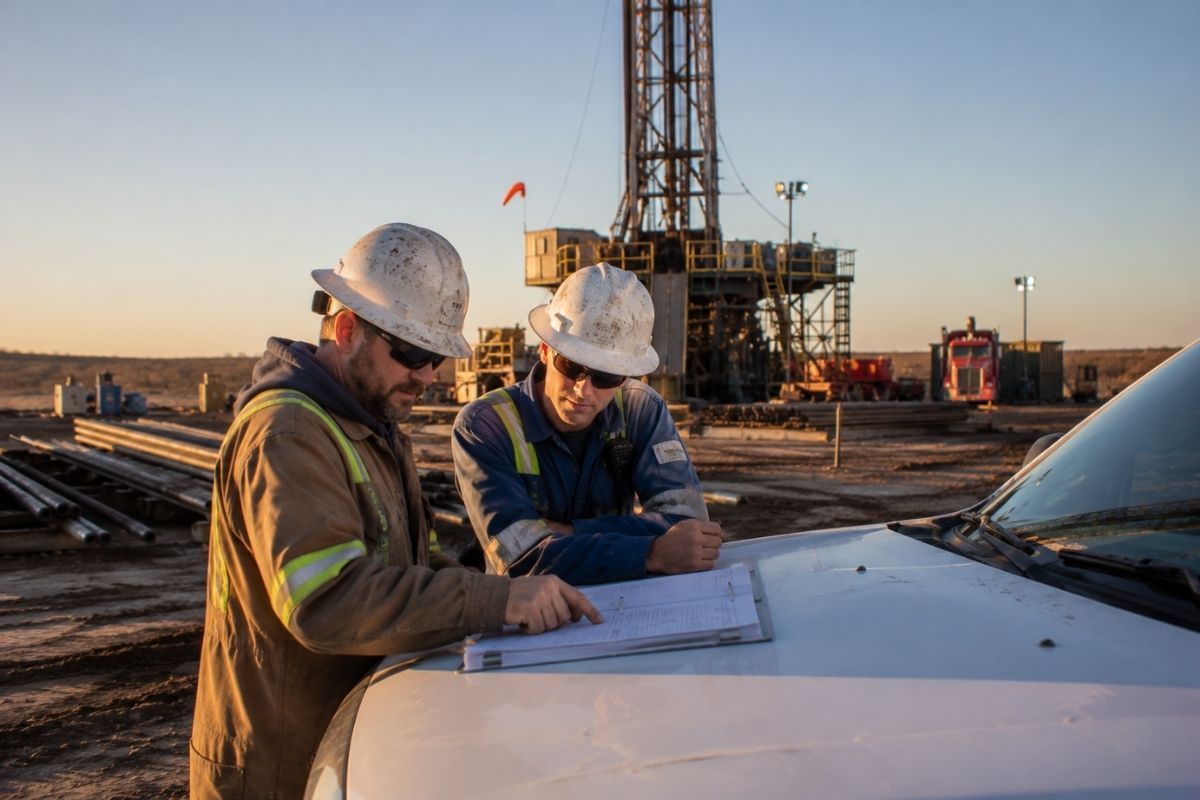
A drilling crew finishes a twelve hour shift, the night team rolls in, and everyone assumes the operation is under control. Then a valve sticks, a worker steps into the wrong spot near moving iron, and a normal day turns into a medevac. Incidents like this are one reason the oil and gas extraction industry has a fatality rate about seven times higher than the national average for all U.S. occupations, with nearly 40 percent of U.S. oilfield deaths happening in the Permian Basin alone according to industry safety data.
Accidents in the field almost never come from one cause. Equipment, procedures, weather, fatigue, and culture all stack together. The good news is that most of those factors can be managed if leaders are willing to look honestly at where risk really comes from and invest in prevention instead of waiting for the next serious injury to force a change.
This guide breaks down seven of the most common causes of oilfield accidents and, more importantly, practical ways operators, contractors, and frontline crews can reduce those risks. The goal is to turn safety from a binder on the shelf into a set of habits that actually hold up under pressure.
Why Oilfield Accidents Keep Happening
The oilfield has always carried risk, but recent data shows that danger is not fading with better technology. In 2024, Texas alone accounted for at least 12 oilfield worker fatalities, a 57 percent jump over the prior year, based on one legal analysis of public records reviewing state and federal reports. That kind of increase does not come from a single freak accident.
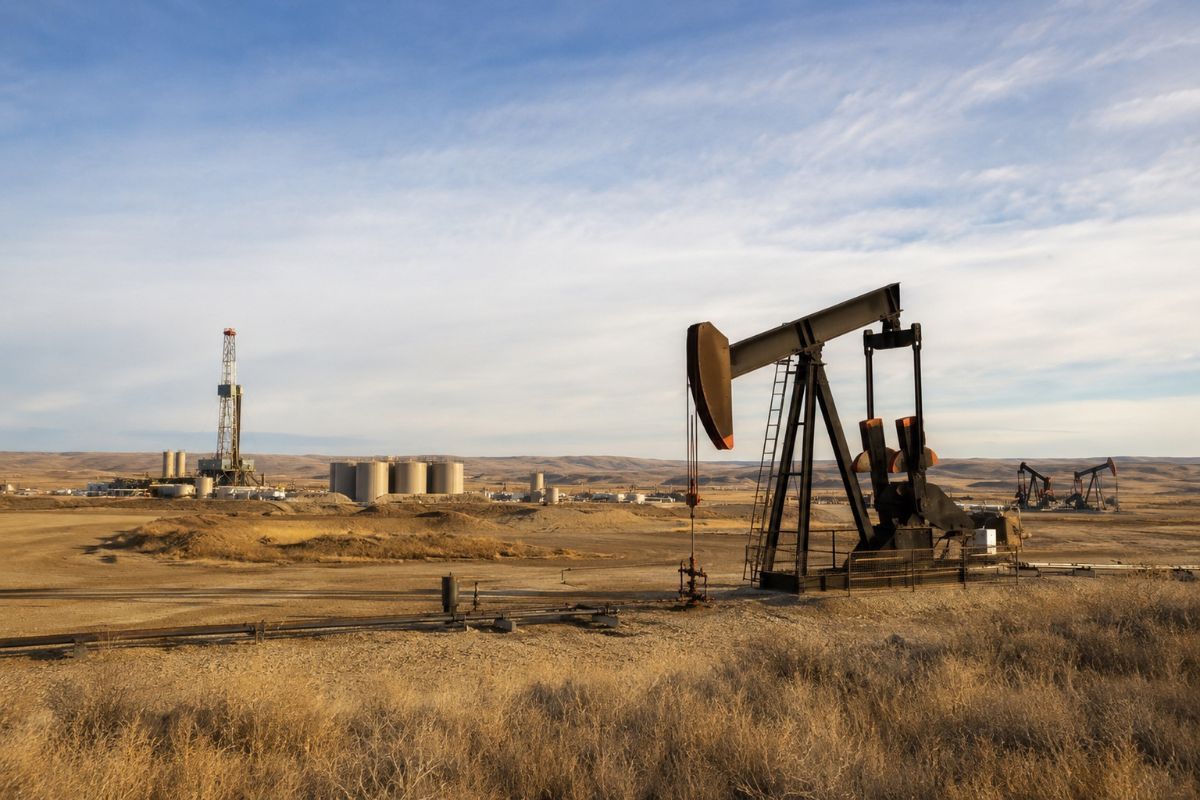
Geography plays a role too. The Permian Basin has become the engine of U.S. production and also one of its deadliest regions. In 2024, the Permian accounted for about 30 percent of all U.S. oilfield fatalities, underscoring how concentrated activity and high rig counts can magnify risk when controls are not tight enough according to a review of national fatality data.
Behind those numbers sit familiar patterns: aging equipment pushed hard to hit production targets, workers learning on the fly, shortcuts that save a few minutes but erase critical safeguards, and mental and physical fatigue that quietly erodes judgment. Tackling accidents means facing those patterns honestly instead of writing everything off as “just a dangerous business.”
The Top Causes Of Oilfield Accidents
Every company and basin has its own risk profile, but the same core hazards appear again and again in incident reports. These seven causes show up across drilling, completions, workovers, and production operations. Each section walks through how the problem shows up and specific steps that actually reduce the odds of an accident.
1. Equipment And Machinery Failures
Heavy machinery sits at the center of most oilfield operations, and it is one of the biggest sources of serious harm. Between January 2015 and July 2022, machinery was identified as the primary source of injuries among oil and gas extraction workers, accounting for 30.1 percent of incidents reported to OSHA in a review of federal case data. When mechanical systems fail, the energy involved is often fatal or permanently disabling.
Machinery accidents show up in many forms. A tong or cathead that is not properly guarded, a spinning chain that catches loose clothing, a crane with worn wire rope, or a stuck valve that suddenly releases pressure can all injure crews in an instant. Even something as basic as a poorly maintained forklift or telehandler on a crowded pad can create blind spots and crush hazards.
Prevention starts with maintenance and inspection discipline. That means formal pre use checks on all critical equipment, documented preventive maintenance schedules, and real authority for mechanics and supervisors to tag out units without being second guessed for “slowing things down.” Guarding, lockout and tagout procedures, and clear exclusion zones around moving machinery must be treated as non negotiable, even when teams are racing a weather window or completion deadline.
2. Human Error And Procedural Violations
People sit at the center of every safe or unsafe decision in the field. Human error is often the final step before an accident, even when deeper causes include poor design, rushed schedules, or unclear instructions. A 2021 study that analyzed seven Human Reliability Analysis methods for the oil and gas industry highlighted how critical it is to understand and model human error in complex operations, not just physical failures according to researchers evaluating HRA techniques.
In practice, human error in the oilfield often looks like skipped steps in a job safety analysis, miscommunication during a tour change, misread gauges, or assumptions that “we always do it this way” even when the written procedure says otherwise. Shortcuts around lockout procedures, bypassed alarms, and unauthorized rig up changes also fall into this category.
Reducing human error is not about blaming the last person who touched the controls. It is about making the right action the easiest and most natural choice. Clear procedures written in plain language, visual aids at the point of work, checklists for high risk tasks, and crew briefings that actually encourage questions help workers slow down enough to catch mistakes before they cascade. Building in pauses and “stop work” triggers during critical operations keeps teams from sliding into autopilot.
3. Blowout Preventer And Well Control Issues
When well control barriers fail, the consequences reach beyond a single crew or lease. Blowout preventers and associated control systems are designed to be the last line of defense, yet they are not immune to failure. A 2023 study that analyzed 1,312 failure records from the International Association of Drilling Contractors RAPID S53 database identified leakage due to damaged elastomeric seals as a major failure scenario in blowout preventer systems according to a detailed review of BOP performance.
Many well control incidents stem from small issues that compound over time. Minor leaks that are logged but not fully investigated, control system alarms that get ignored, or maintenance tasks that are delayed because a rig is under pressure to stay on schedule all chip away at barrier integrity. Inadequate training on shut in procedures and decision making during kicks can turn a manageable situation into a crisis.
Prevention focuses on barrier management. That includes rigorous function and pressure testing, clear criteria for pulling equipment out of service, and a culture where raising a possible BOP or well control problem is treated as a sign of professionalism, not troublemaking. Drills on kick detection and shut in sequences, including cross training between drilling, completion, and production teams, keep muscle memory sharp when seconds matter.
4. Hazardous Work Environments And Weather
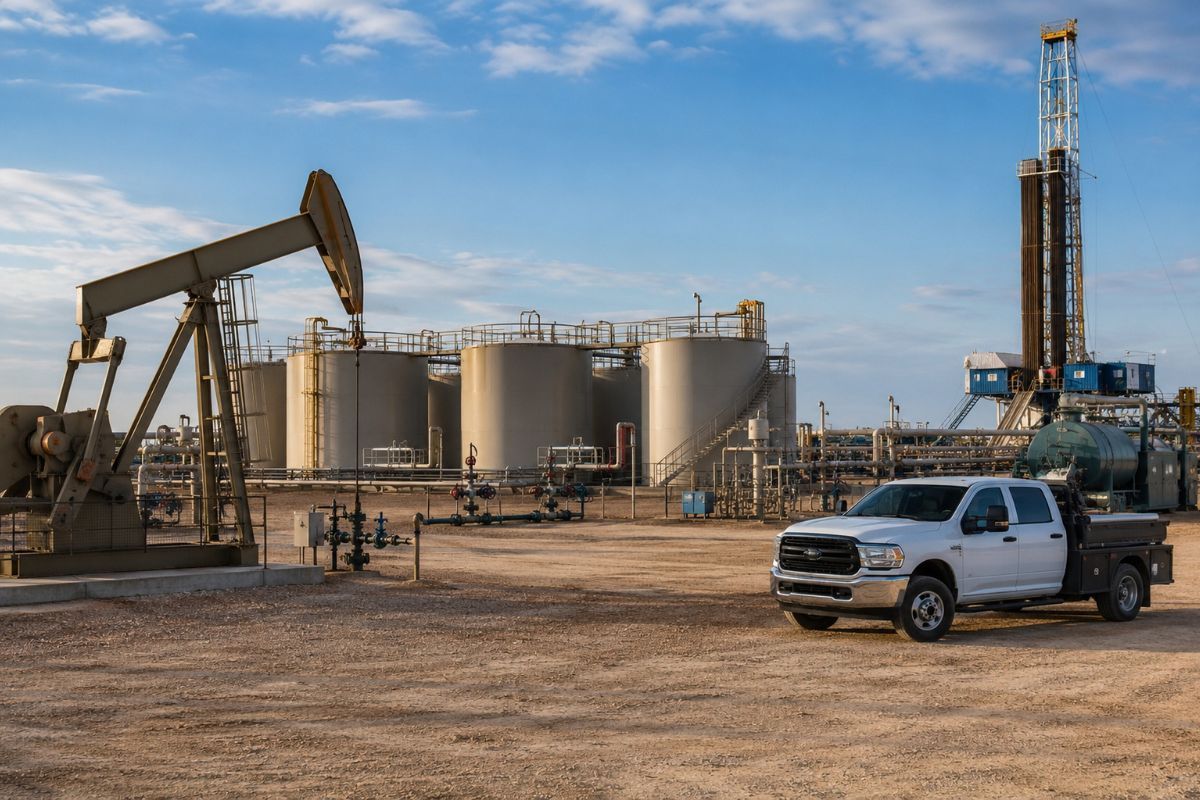
Oilfield work rarely happens in controlled settings. Crews operate on remote leases, offshore platforms, and temporary well pads that constantly change as equipment moves in and out. Uneven ground, limited lighting, tight clearances, and exposure to high pressure and high temperature fluids all create a baseline of risk before the first wrench is turned.
Weather adds another layer. High winds affect crane operations and derrick work. Extreme heat increases the risk of heat stress, dehydration, and slow reaction times. Cold weather brings ice, frozen lines, and reduced dexterity in heavy gloves. Storms can cut power or communications at the worst possible moment. When companies try to “push through” marginal conditions, slip, trip, and fall incidents, vehicle crashes, and dropped objects become more common.
Mitigating environmental hazards takes planning before mobilization. Site layout should separate pedestrian paths from vehicle routes, with marked walkways and adequate lighting. Non slip surfaces, housekeeping standards, and secure storage for tools and materials keep clutter from turning into trip hazards. Weather plans should spell out clear stop work conditions, heat illness prevention steps, and cold weather protocols so crews are not left improvising in the moment.
5. Fatigue, Mental Health, And Staffing Pressures
Long shifts, night work, and rapid schedule changes are routine in the oilfield. Over time, those patterns wear down even experienced workers. Fatigue blurs judgment, slows reaction times, and makes it much harder to follow procedures precisely. On top of physical tiredness, many workers shoulder financial stress, isolation from family, and anxiety about boom and bust cycles.
These pressures are not just a personal issue. Daniel Radabaugh, Chief Strategy Officer at Xccelerated Construction Unlimited, has estimated that mental health issues in the oil industry cost businesses about 200 billion dollars annually, through lost productivity, errors, and turnover based on industry wide assessments. When mental bandwidth is consumed by stress or exhaustion, workers become more vulnerable to lapses that can trigger serious incidents.
Leaders who want fewer accidents must treat fatigue and mental health as core safety topics, not side issues. That means designing schedules that limit consecutive night shifts, enforcing rest periods, and giving supervisors cover to shut down work when crews are clearly exhausted. Access to confidential mental health resources, peer support programs, and training for supervisors on recognizing signs of distress all help catch problems earlier. A simple check in culture, where it is normal to ask coworkers how they are really doing, also makes a difference.
6. Inadequate Training And Supervision
Many oilfield tasks look deceptively simple from the outside. Hooking up iron, spotting a truck, rigging a lift, or bleeding down a line can appear straightforward until something goes wrong. When workers are thrown into these activities after a fast orientation or “watch one, do one” approach, the risk of mistakes climbs fast.
Training gaps often surface when activity spikes and contractors scramble to staff up. New hires may arrive with experience from a different basin or segment, but little familiarity with local procedures, equipment, or expectations. If supervisors are stretched thin, they may rely on informal mentoring and hope that nothing serious happens before workers gain experience. Language barriers and literacy challenges can quietly turn written procedures into ineffective paperwork.
Effective training blends classroom concepts with hands on practice and realistic scenarios. Job specific competency checklists, line of fire awareness drills, and simulations of common upset conditions give workers a chance to build skills before they face them on a live job. Strong supervision means more than standing nearby. Good supervisors actively coach, demonstrate safe behaviors, and intervene early when they see shortcuts or confusion.
7. Weak Safety Culture And Communication Breakdowns
Even the best procedures and equipment fall short when the underlying culture treats safety as a box to check. A 2024 industry report identified equipment failure, human error, and environmental challenges as primary causes of oilfield accidents, and emphasized the need for proactive safety management rather than reactive responses after incidents occur according to a review of common accident patterns. Proactive management is largely a cultural choice.
Warning signs of a weak safety culture include workers who hesitate to report near misses, supervisors who downplay hazards to keep production moving, and leaders who only show up on location after something goes wrong. Communication breakdowns often follow. Critical information about equipment problems, changing conditions, or lessons from recent incidents never reaches the crews who need it most.
Building a stronger culture starts with visible leadership. When managers consistently show up on location, ask questions about risk, and back up “stop work” decisions, crews get the message that safety is not just a slogan. Open communication channels, regular safety stand downs, and simple reporting tools for hazards and near misses help information move quickly. Recognizing crews for speaking up and for doing things right, not just for hitting production targets, reinforces those behaviors.
Practical Prevention Strategies That Actually Work
Knowing the main causes of accidents is only useful if that knowledge turns into better decisions on the ground. The most effective safety programs translate big picture risk factors into specific, repeatable practices that crews can follow even on their toughest days.
One helpful way to think about prevention is to layer defenses. Engineering controls reduce exposure at the source. Administrative controls such as procedures, training, and scheduling address how work is done. Personal protective equipment adds another layer, but should never be the only answer. The table below outlines how these layers apply to some of the causes covered above.
| Cause | Typical Risk | Key Prevention Measures |
|---|---|---|
| Equipment and machinery failures | Crush injuries, struck by incidents, unexpected releases of energy | Preventive maintenance programs, guarding, lockout and tagout, clear exclusion zones, pre use inspections |
| Human error and procedural violations | Incorrect rig up, misaligned valves, missed steps in critical operations | Simple procedures, checklists, job safety analyses, peer checks, and real stop work authority |
| Well control and BOP issues | Kicks, blowouts, uncontrolled flow of hydrocarbons | Regular testing, strict criteria for repairs, detailed drills, and barrier management plans |
| Environmental hazards and weather | Slips, trips, falls, dropped objects, vehicle incidents | Site layout planning, housekeeping, lighting, weather trigger points, and alternate work plans |
| Fatigue and mental health pressures | Slow reactions, poor decisions, higher error rates | Fatigue management policies, reasonable schedules, access to mental health resources, and supportive supervision |
On top of these controls, companies that see real improvements usually invest in three areas. First, they treat near misses as gold, learning from close calls instead of burying them. Second, they involve frontline crews in designing and updating procedures, so the rules reflect reality. Third, they track a small number of meaningful leading indicators, such as quality of pre job meetings or completion of critical inspections, rather than chasing a long list of low value metrics.
What Field Leaders And Crews Can Do Right Now
Safety improvements do not always require massive budgets or new technology. Many meaningful changes start with supervisors and crews adjusting how they plan and talk about work. Small, consistent actions compound over time into a safer operation.
Supervisors can set the tone by starting each shift with a focused briefing that covers the day’s highest risks, not just a generic checklist. Asking workers to walk through the job step by step and identify “what could hurt you here” helps surface hazards early. Making time for a quick debrief after major tasks or at the end of a hitch allows teams to capture lessons while they are fresh.
Crew members can contribute by watching out for each other’s blind spots. That includes pointing out line of fire positions, correcting improper lifting or rigging before it becomes a problem, and speaking up about near misses. Taking personal ownership of housekeeping, tool organization, and proper use of personal protective equipment creates a baseline of order that supports more complex safety measures.
Frequently Asked Questions About Oilfield Accidents And Safety
Many workers, supervisors, and even office based staff share similar questions about oilfield risk. The answers below address some of the most common concerns in straightforward terms.
Why is oilfield work considered so dangerous?
Oilfield jobs combine heavy equipment, high pressures, flammable products, and constantly changing work sites. Those factors create more opportunities for serious incidents than most other industries, which is reflected in the oil and gas extraction sector’s fatality rate being much higher than the national average for all occupations based on federal safety statistics.
What is the single biggest cause of oilfield injuries?
Machinery and equipment are leading sources of harm. Federal data between 2015 and 2022 shows that machinery was the primary source of injuries for oil and gas extraction workers in just over 30 percent of OSHA reported incidents, underscoring how critical equipment controls and maintenance are to safety performance according to a review of injury cases.
Are most oilfield accidents preventable?
Many incidents trace back to patterns that can be changed, such as poor maintenance, skipped procedures, communication breakdowns, and rushing work. When companies address those root causes with solid planning, training, and culture, serious accidents typically decline even in challenging operating environments.
How can smaller contractors improve safety with limited resources?
Smaller firms can focus on high impact basics, such as strong pre job planning, equipment inspections, simple but clear procedures, and active supervision during critical tasks. Partnering closely with operators on shared expectations and using lessons from near misses to adjust field practices helps stretch limited budgets.
Does mental health really affect safety on the job?
Stress, anxiety, and fatigue all affect concentration and decision making, which are vital in hazardous environments. Industry experts have estimated that mental health issues in the oil sector cost businesses hundreds of billions of dollars each year through errors, lost productivity, and turnover, highlighting the link between wellbeing and safe operations according to analysis of industry trends.
What role do leaders play in reducing oilfield accidents?
Leaders set priorities through their actions. When they consistently visit sites, support stop work decisions, invest in training and maintenance, and respond constructively to incident reports, crews see that safety is truly valued. That leadership commitment often makes the difference between a safety program that exists on paper and one that protects people in real time.
What To Remember About Preventing Oilfield Accidents
Accidents in the oilfield rarely come from a single bad decision or piece of failed equipment. They grow out of patterns that repeat day after day, like rushed planning, tired crews, aging machinery, and a culture that quietly rewards production over protection. Recent analyses of oilfield accidents point to equipment failures, human error, and challenging environments as recurring themes, but they also stress how effective proactive safety management can be when organizations commit to it based on reviews of recent incidents.
Reducing those risks does not mean eliminating every hazard, which is impossible in such a demanding industry. It means building enough layers of defense that when something goes wrong, it is caught early and contained before anyone is seriously hurt. That takes steady effort from leadership and frontline crews alike, but the payoff is real lives protected and a stronger, more reliable operation.
For companies and workers willing to look closely at the seven causes covered here and tackle each one with practical steps, the oilfield can remain productive without accepting severe injuries and fatalities as the cost of doing business. Safety becomes not just a requirement, but a shared way of working that keeps everyone going home at the end of their hitch.
Search by posts
Recent posts